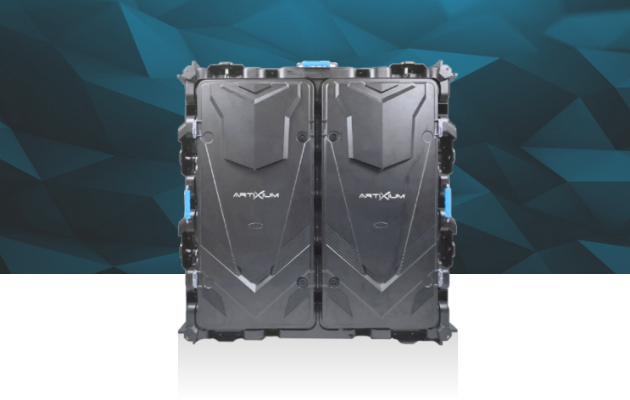
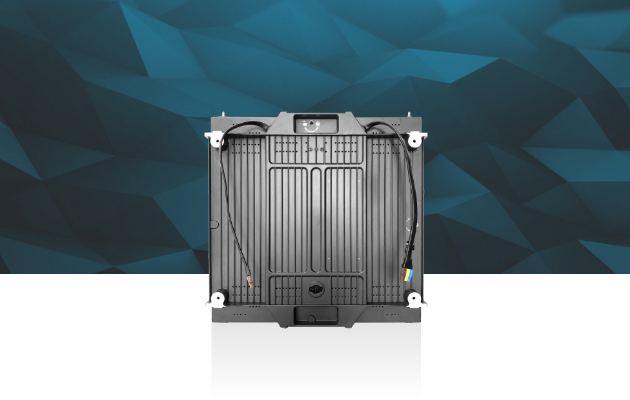
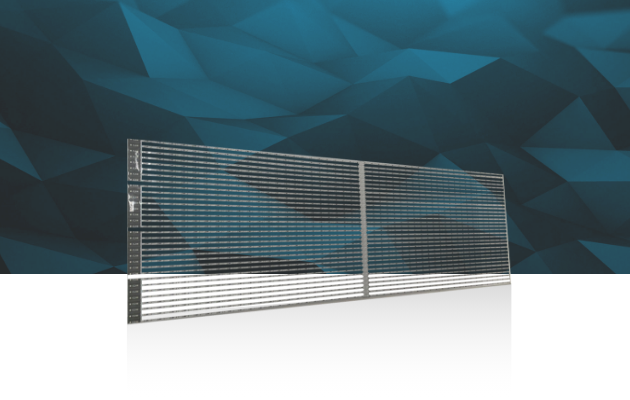
Improved Modularity
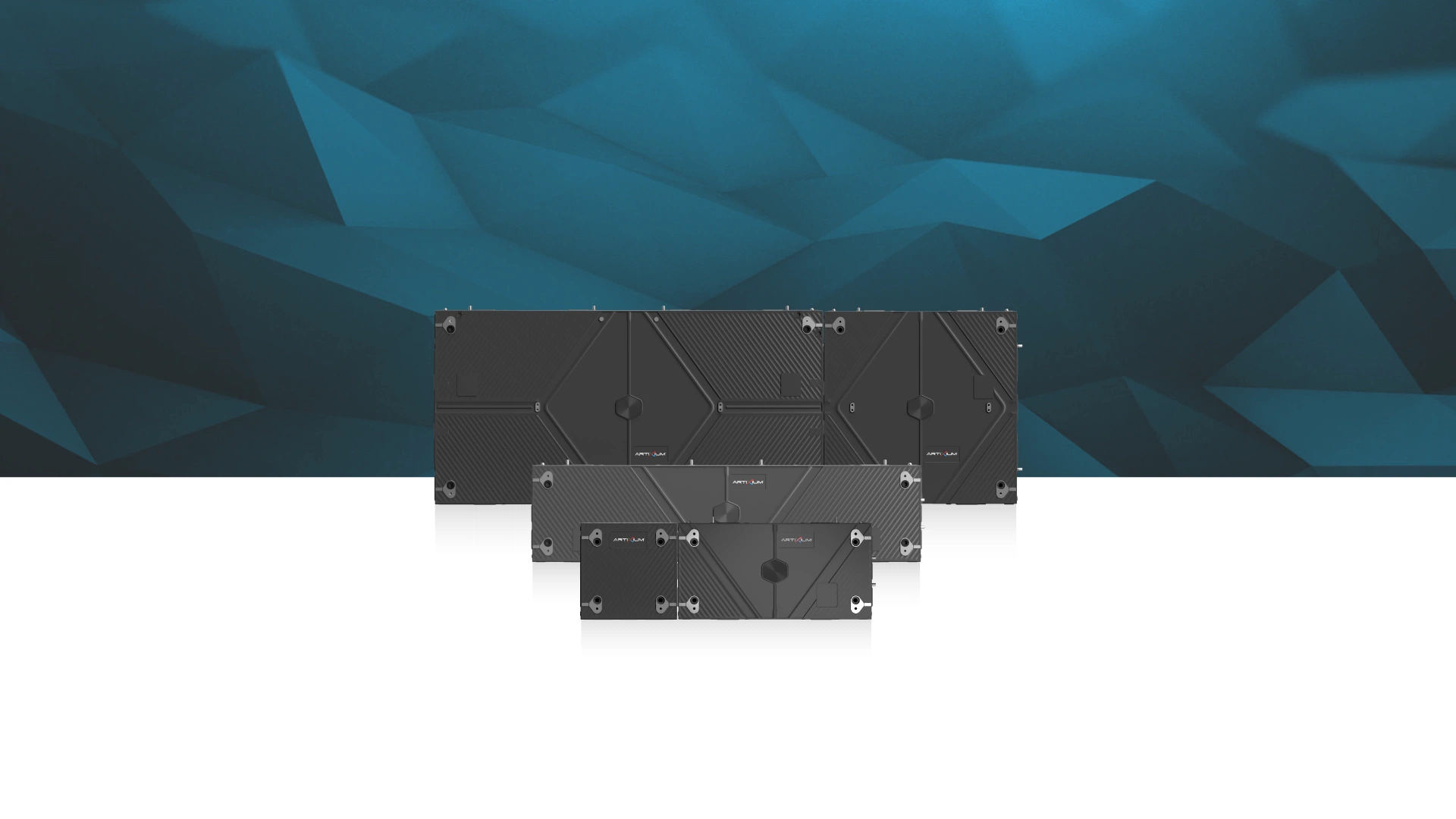
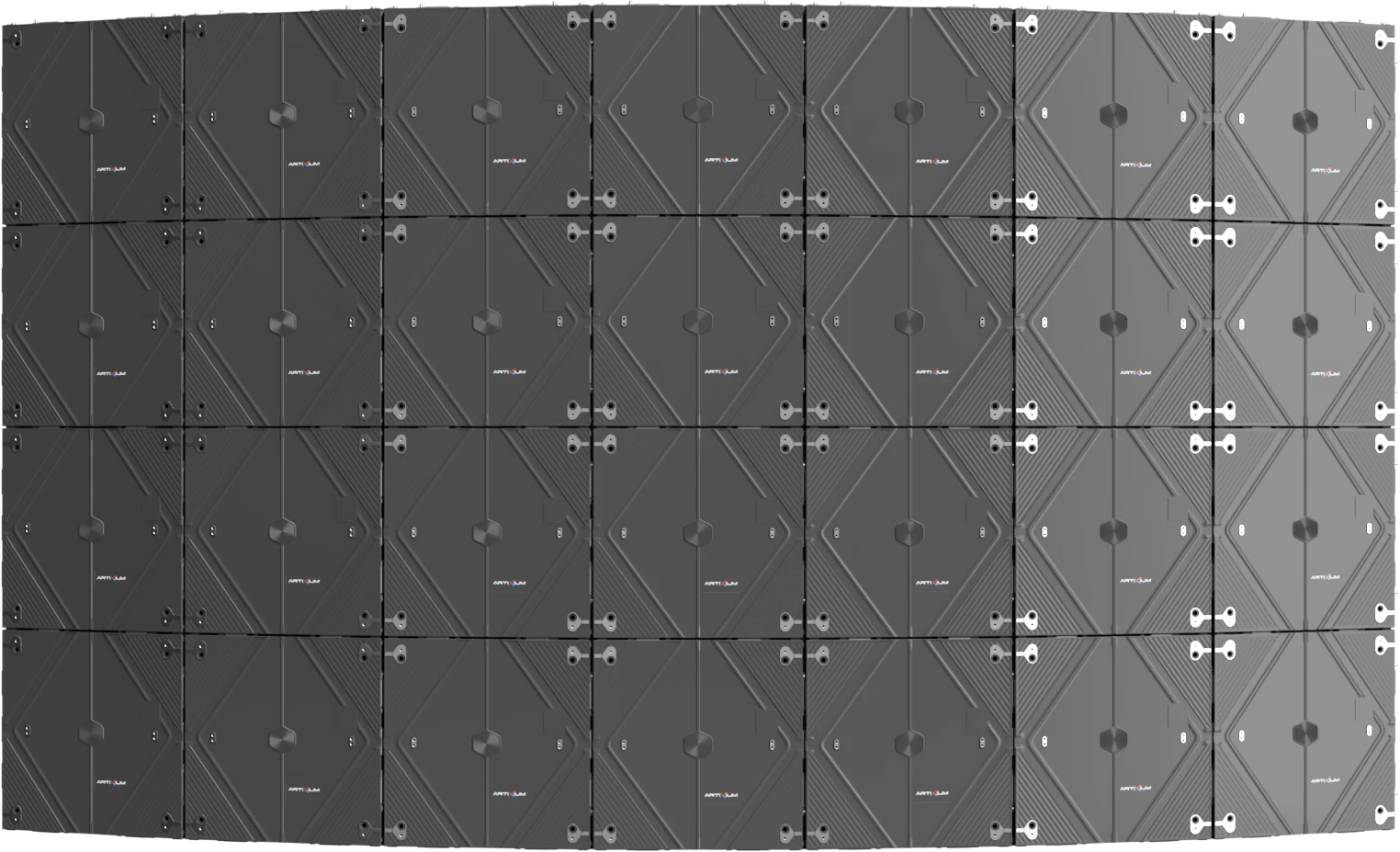
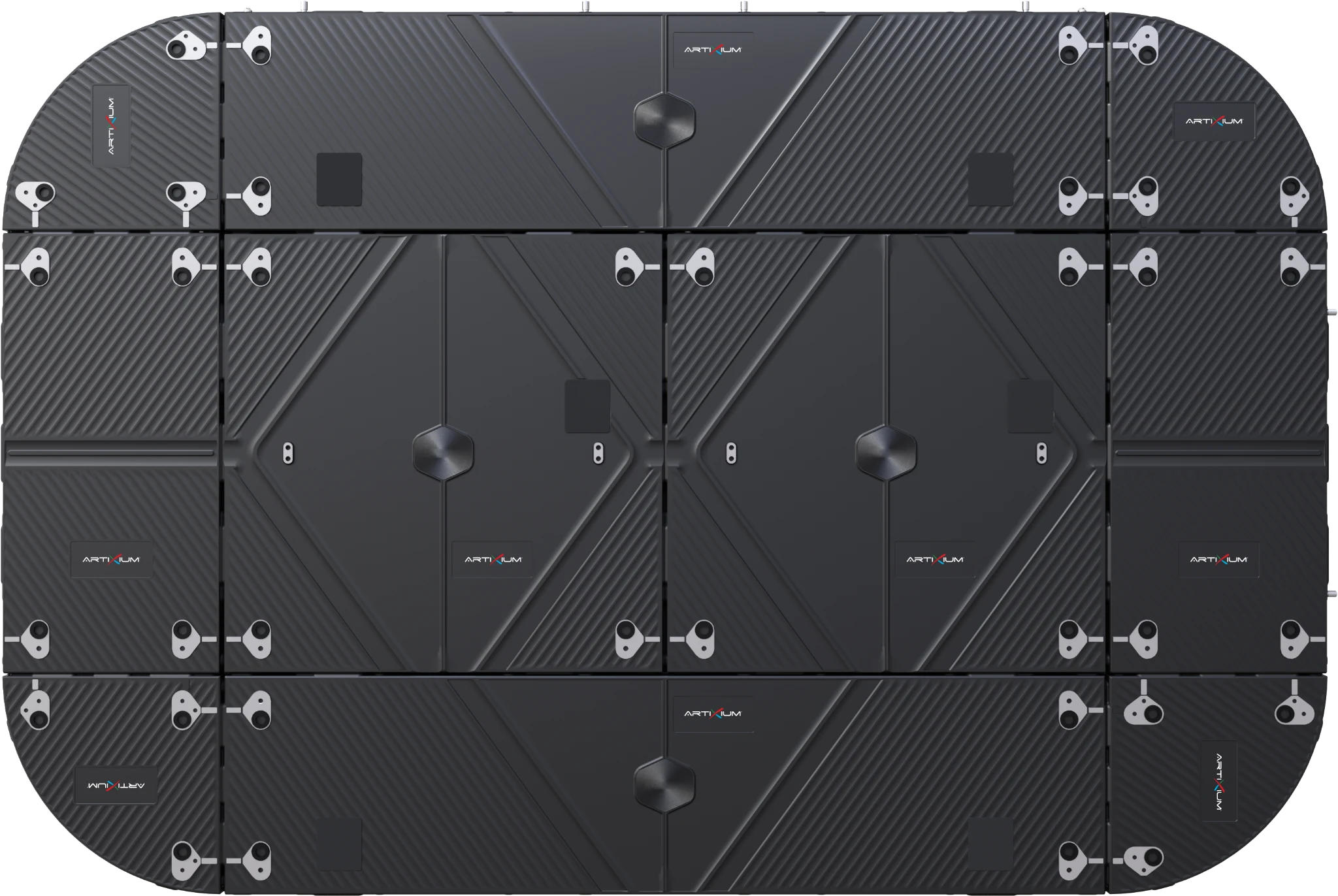
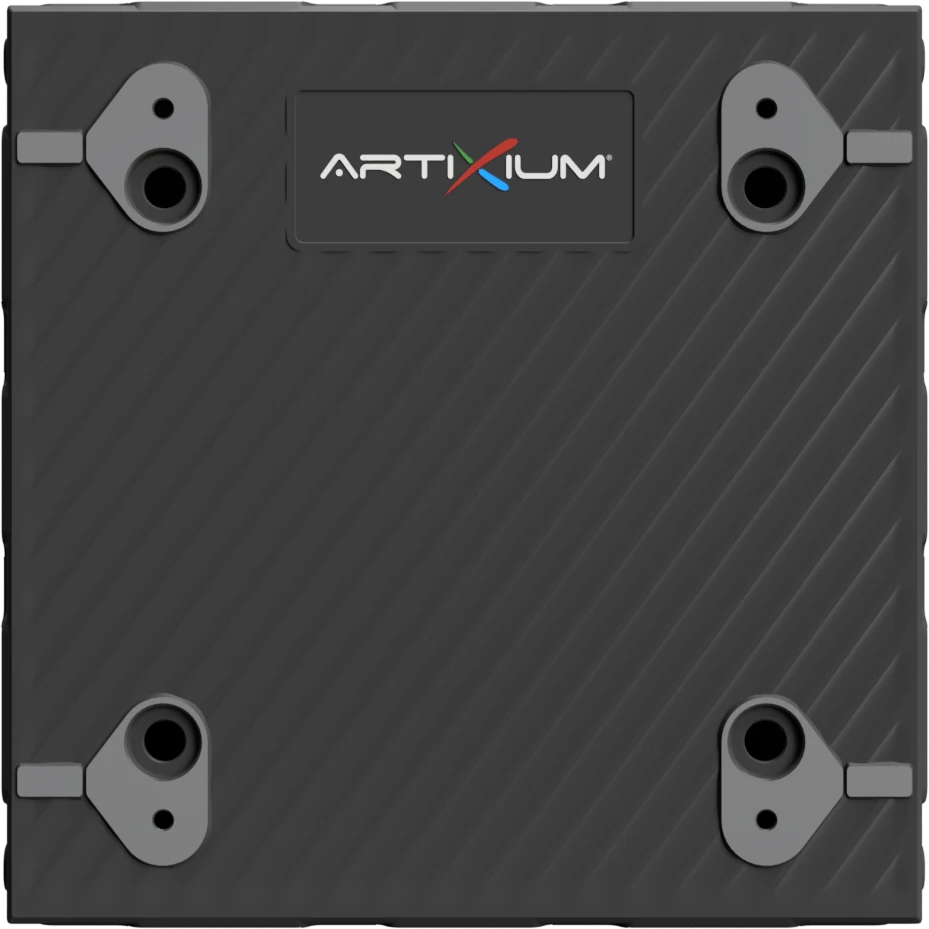
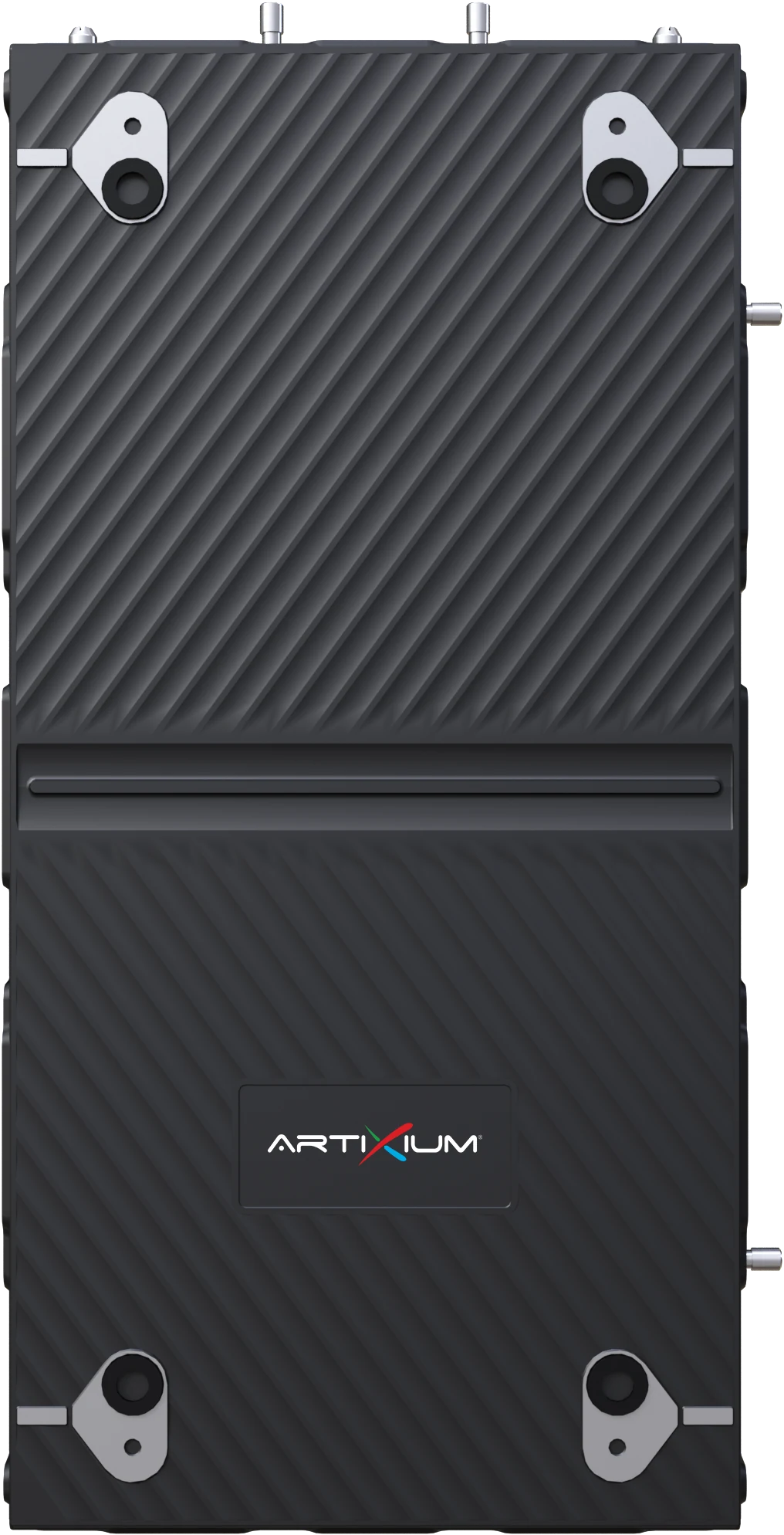
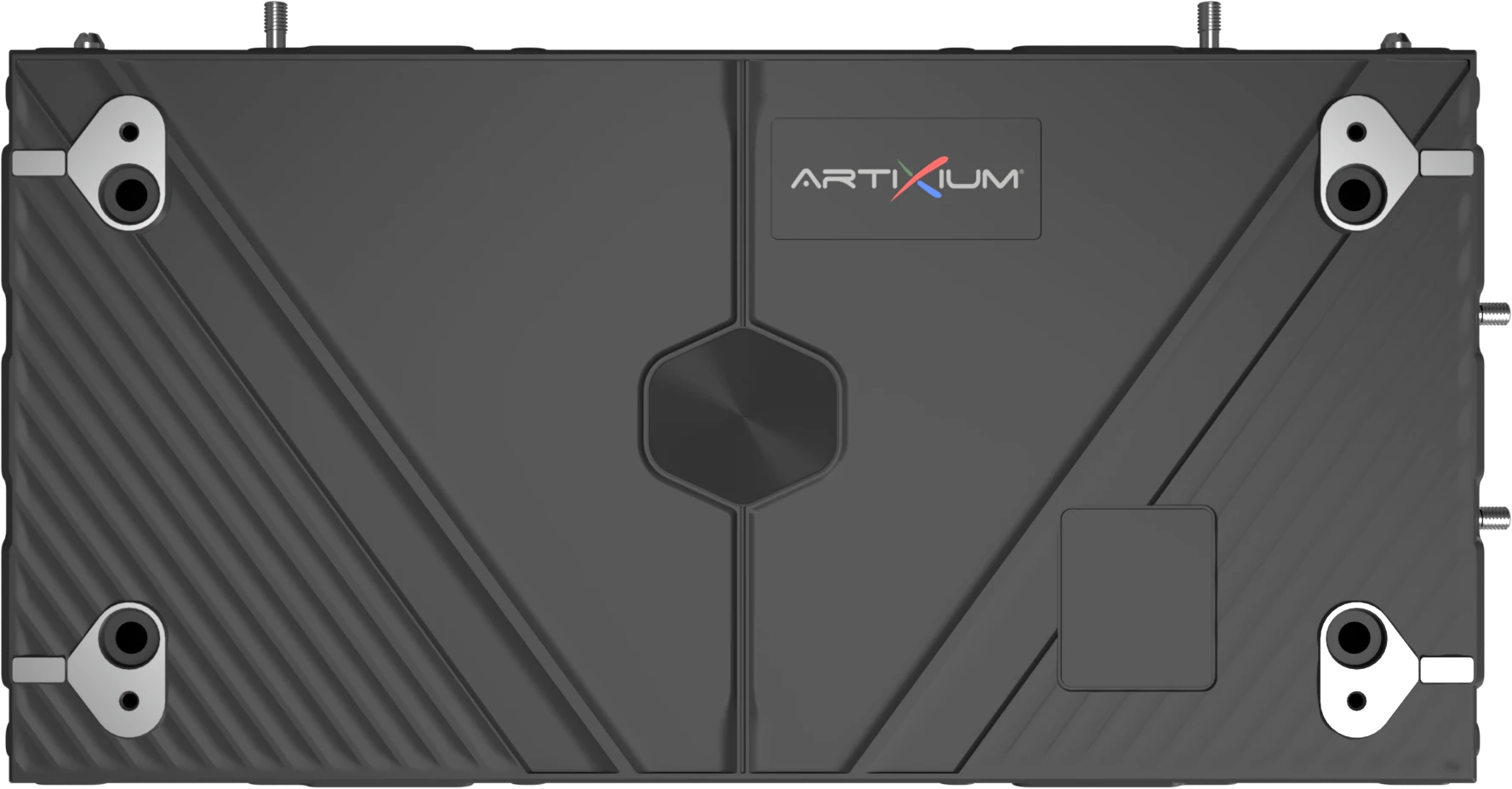
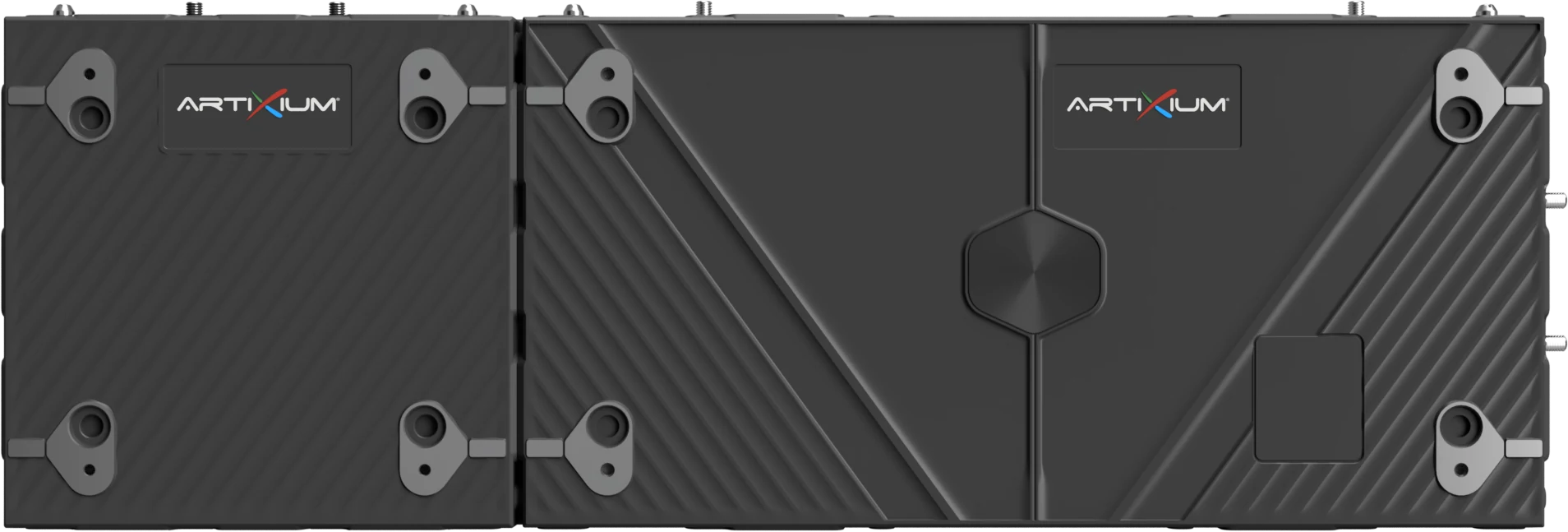
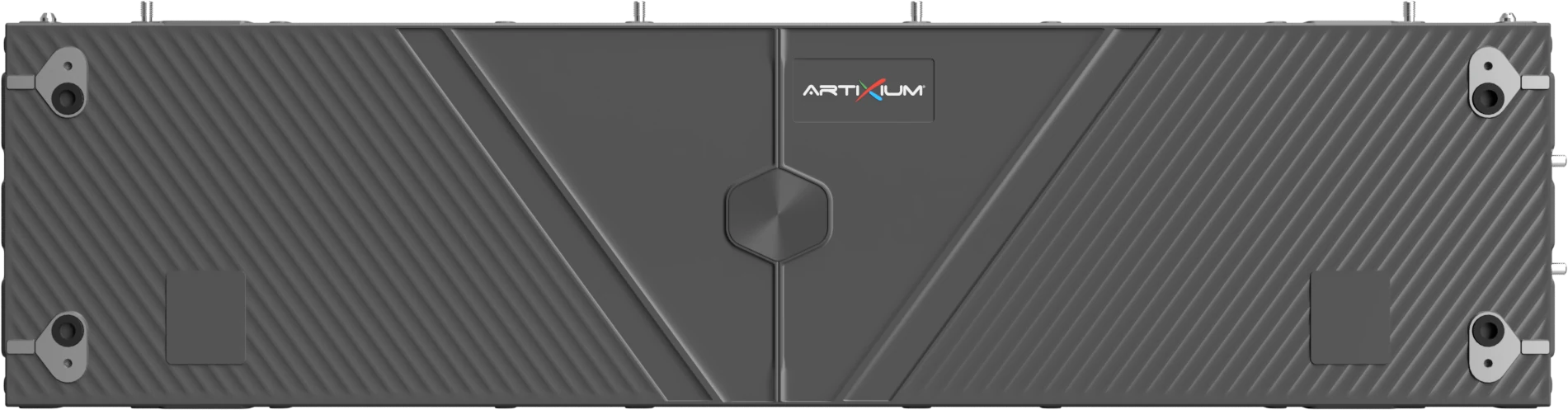
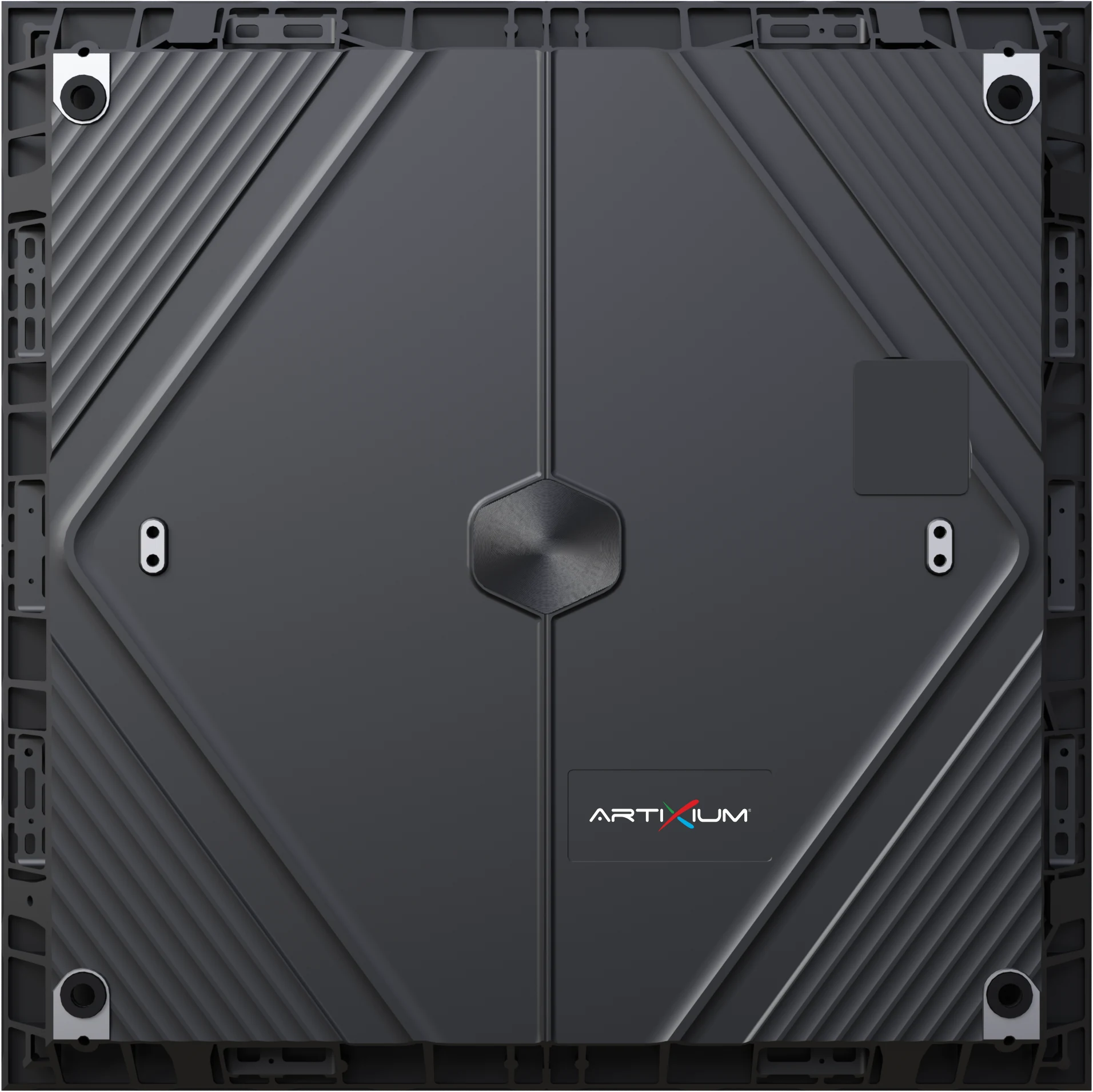
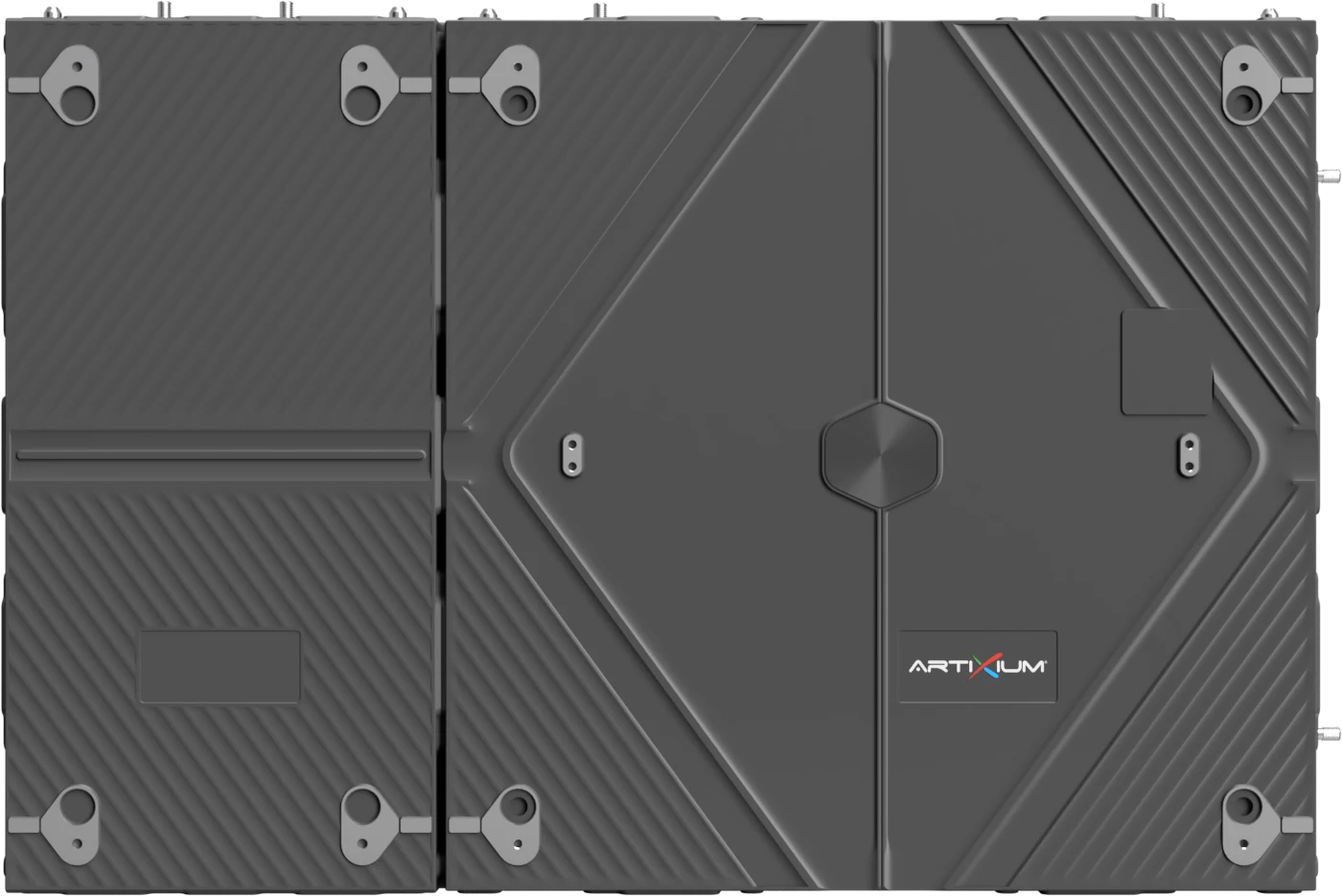
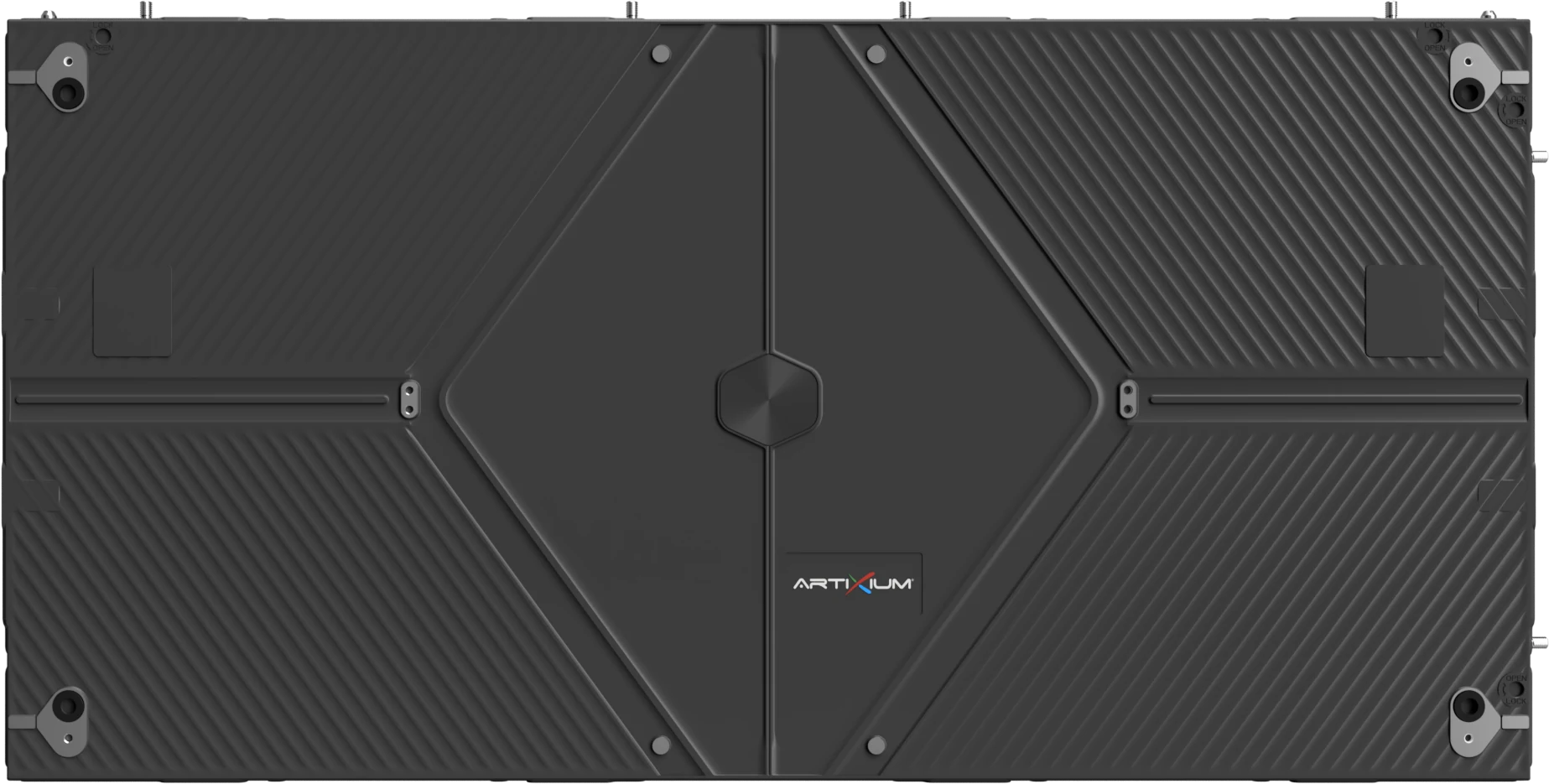
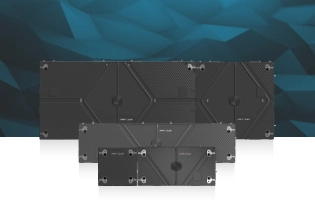
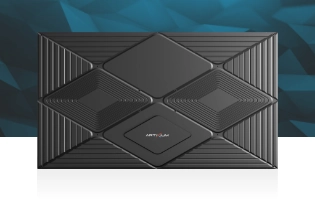
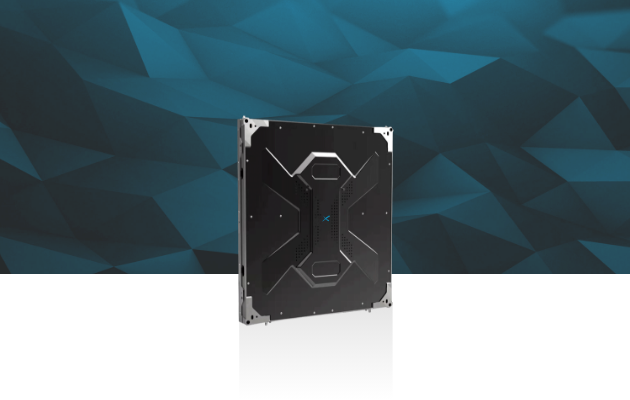
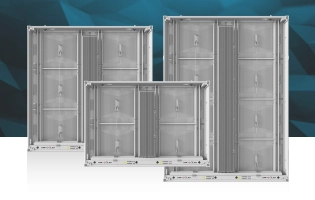
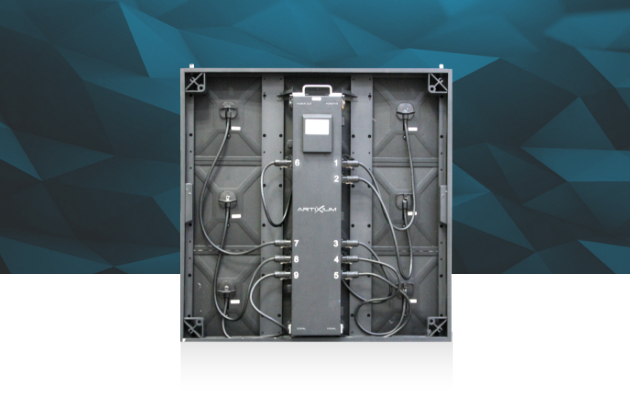
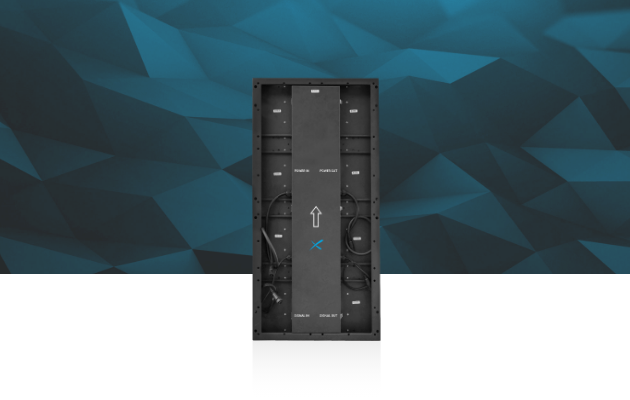
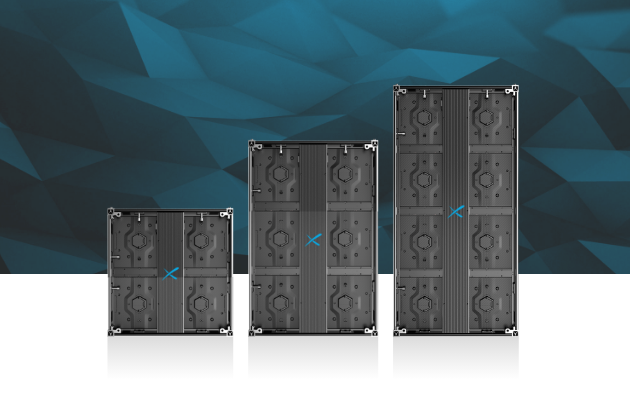
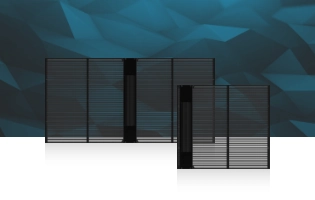
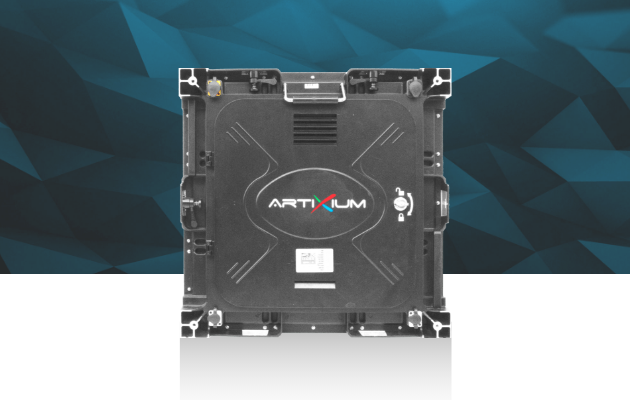
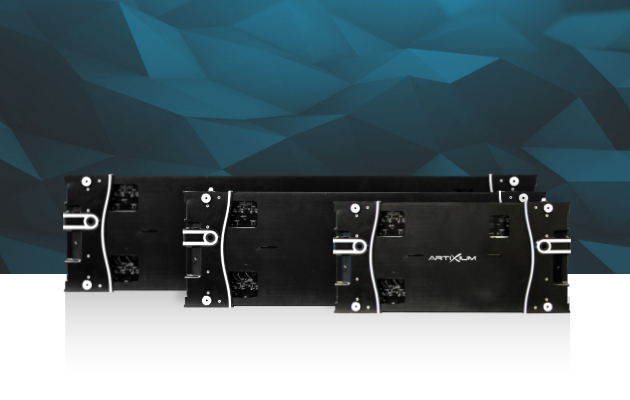
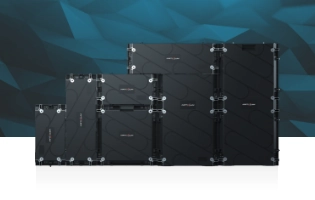
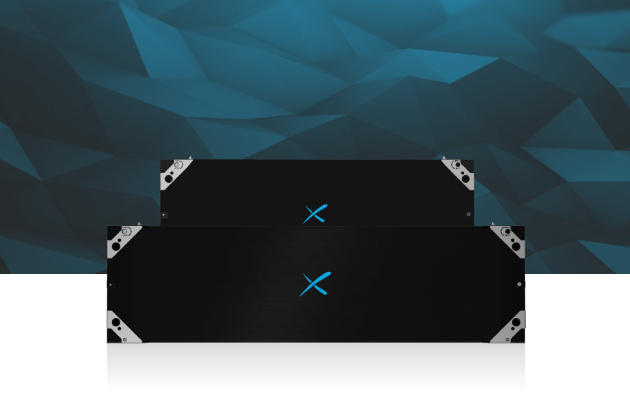
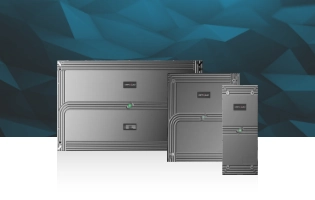
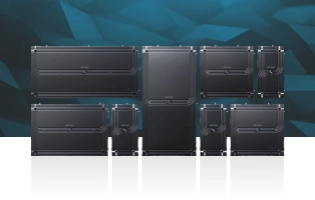
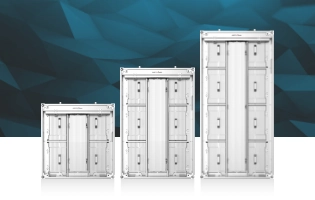
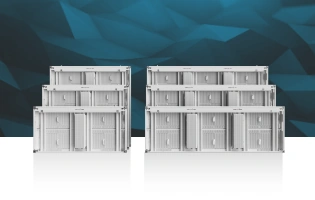
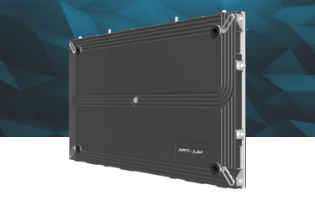
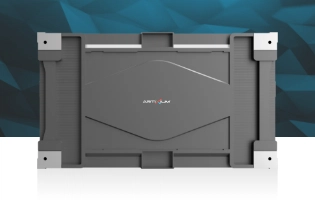
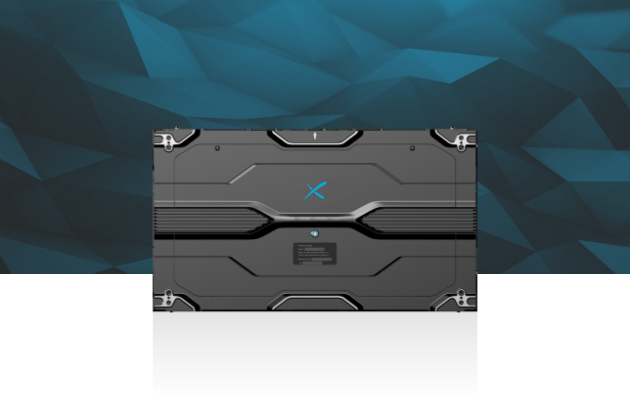
To adapt to a wide variety of configurations, the QWARTZ 3.0 is available in several cabinet sizes: 250 x 250 mm, 500 x 250 mm, 750 x 250 mm, 1000 x 250 mm, 250 x 500 mm, 500 x 500 mm, 750 x 500 mm and 1000 x 500 mm.
This wide range of dimensions makes it possible to design LED displays that are precisely tailored to the architectural constraints of each project, while maintaining consistent installation and maintenance logic.
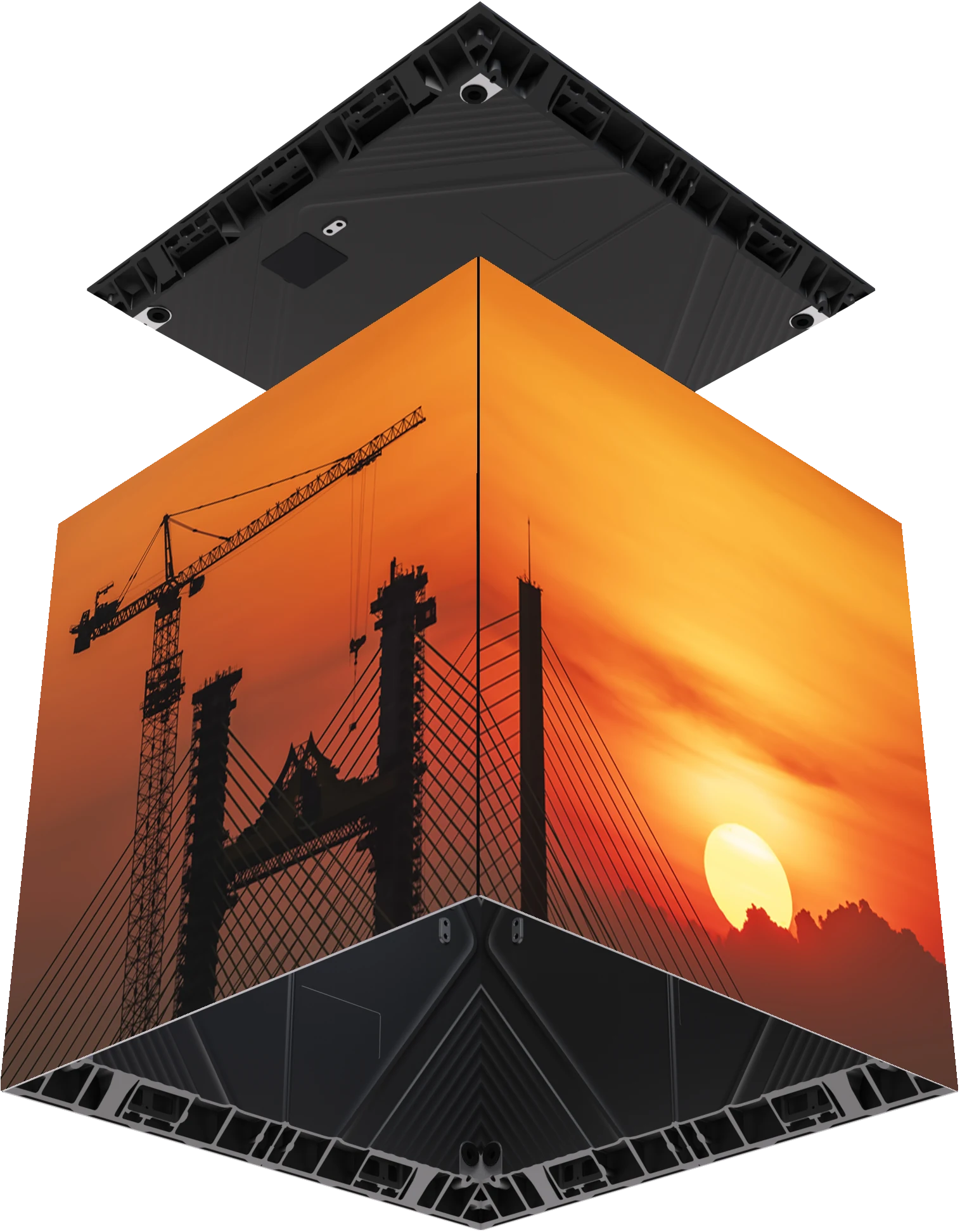
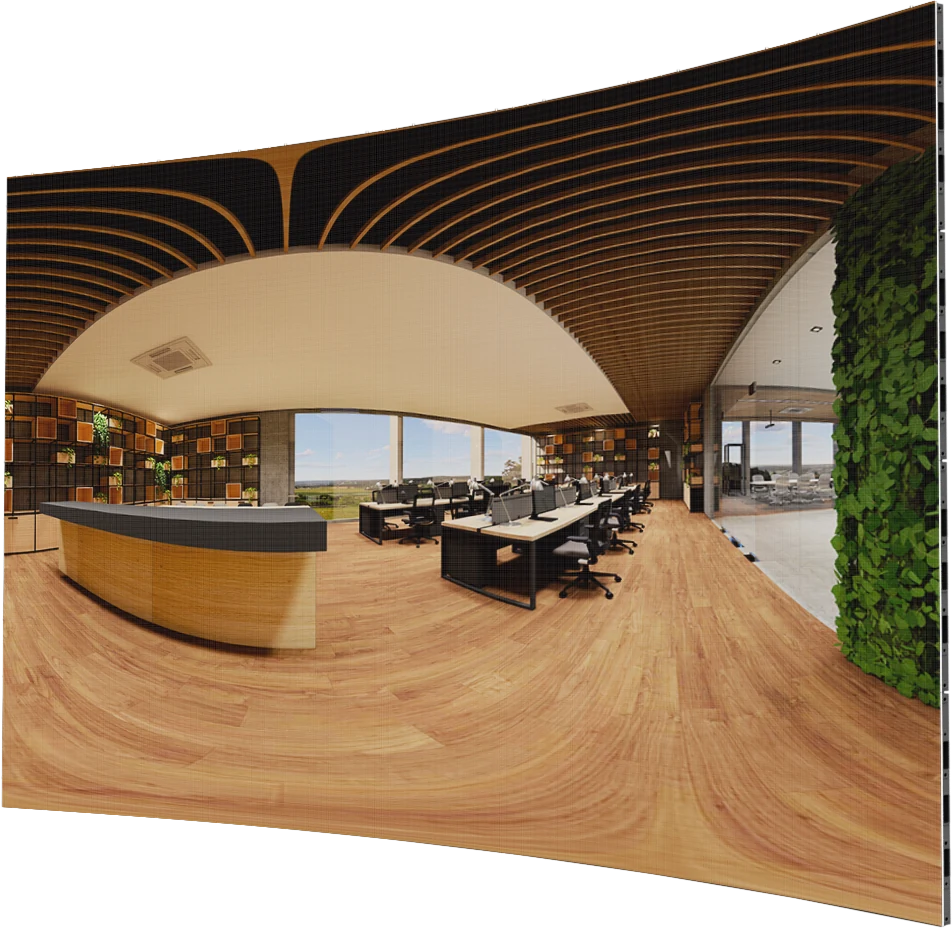
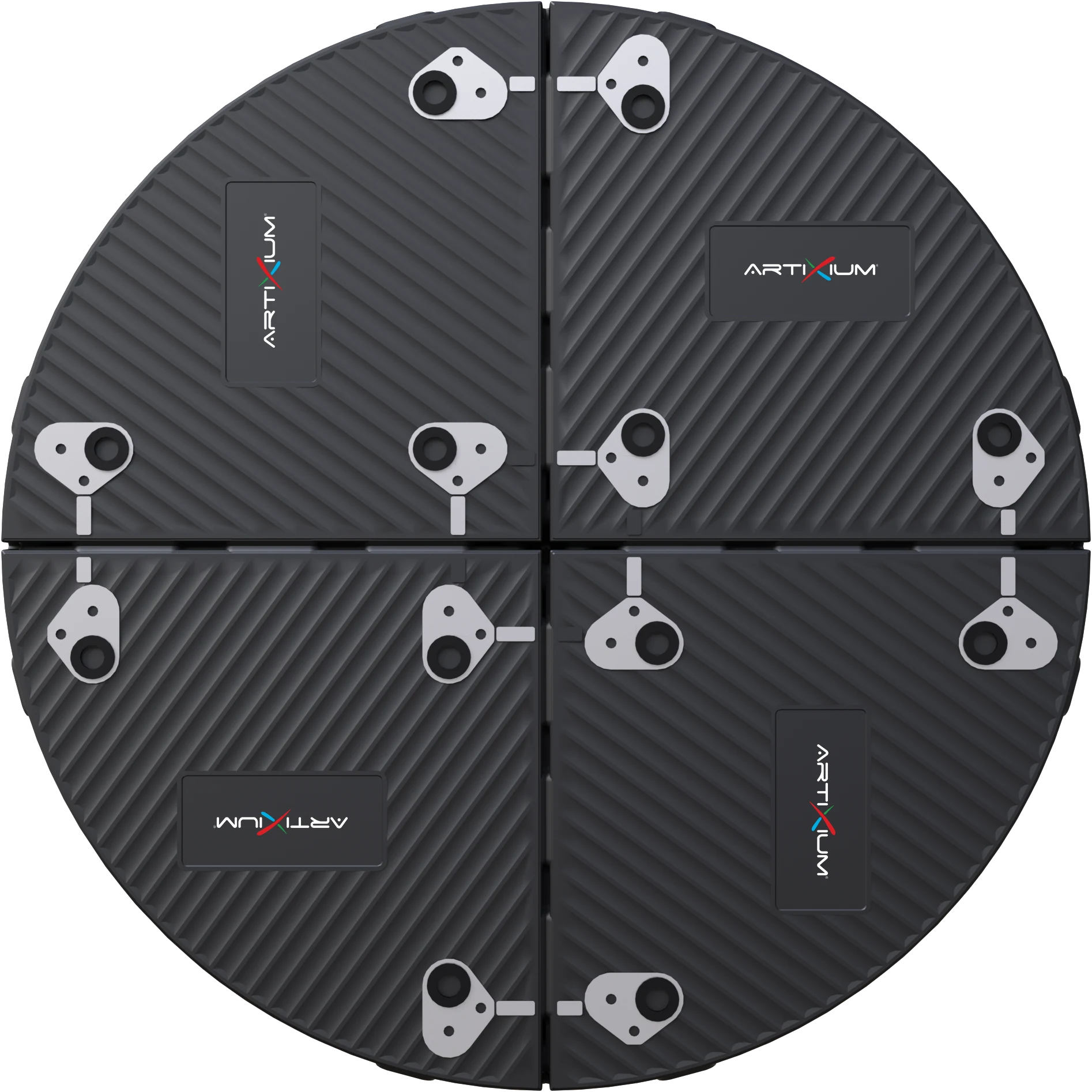
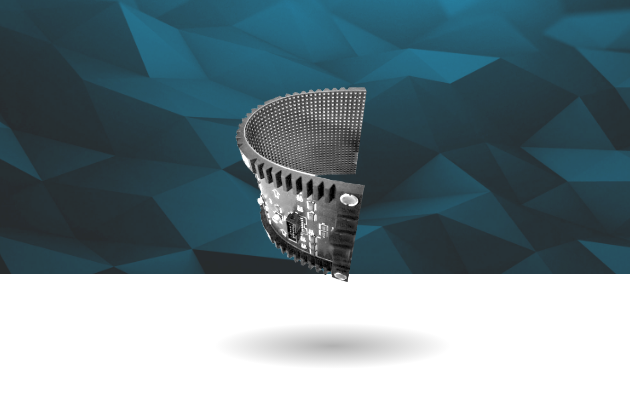
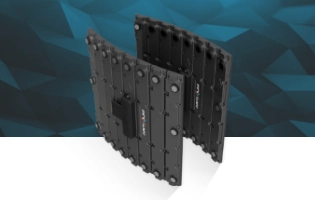
The QWARTZ 3.0 also includes quarter-circle cabinets, enabling refined screen finishes, rounded corners and more creative display designs. For applications requiring clean and precise right angles, 45° bevelled cabinets are also available.
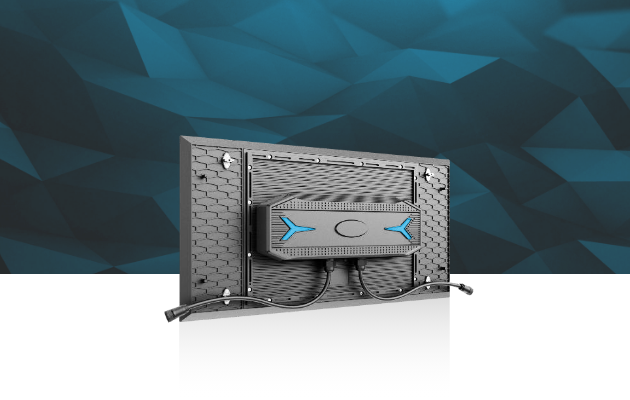
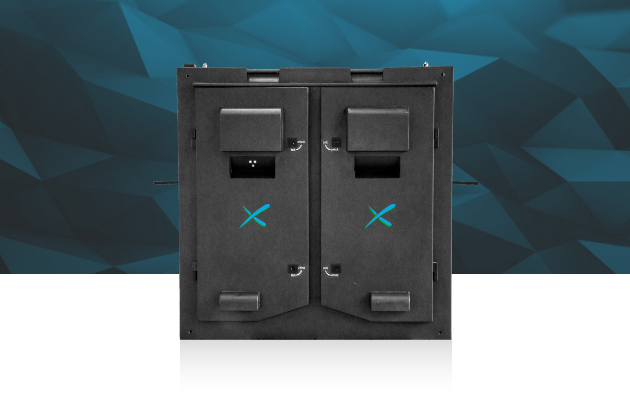
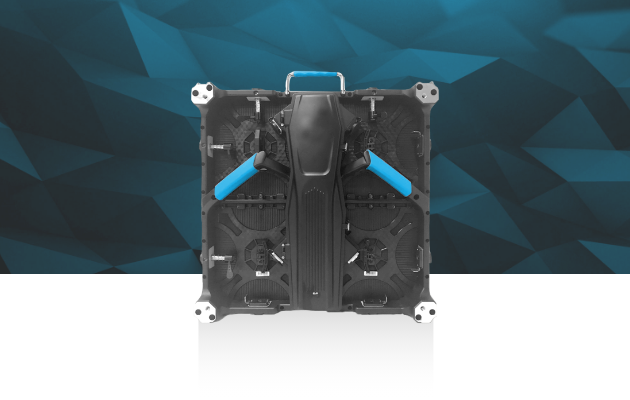
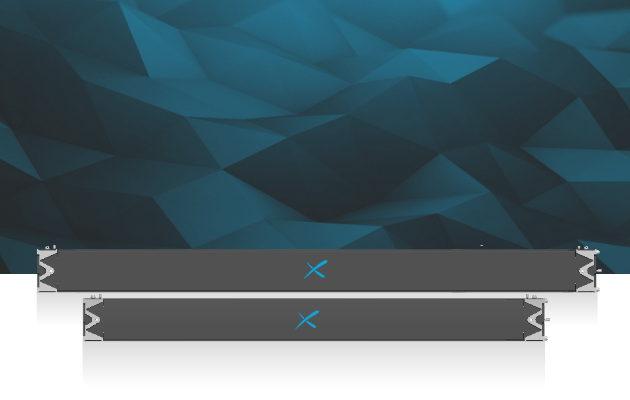
A comprehensive range of installation accessories further enhances this native modularity, offering greater integration freedom: hanging bars, wall-mounting brackets and dedicated fixing solutions adapted to various project configurations.
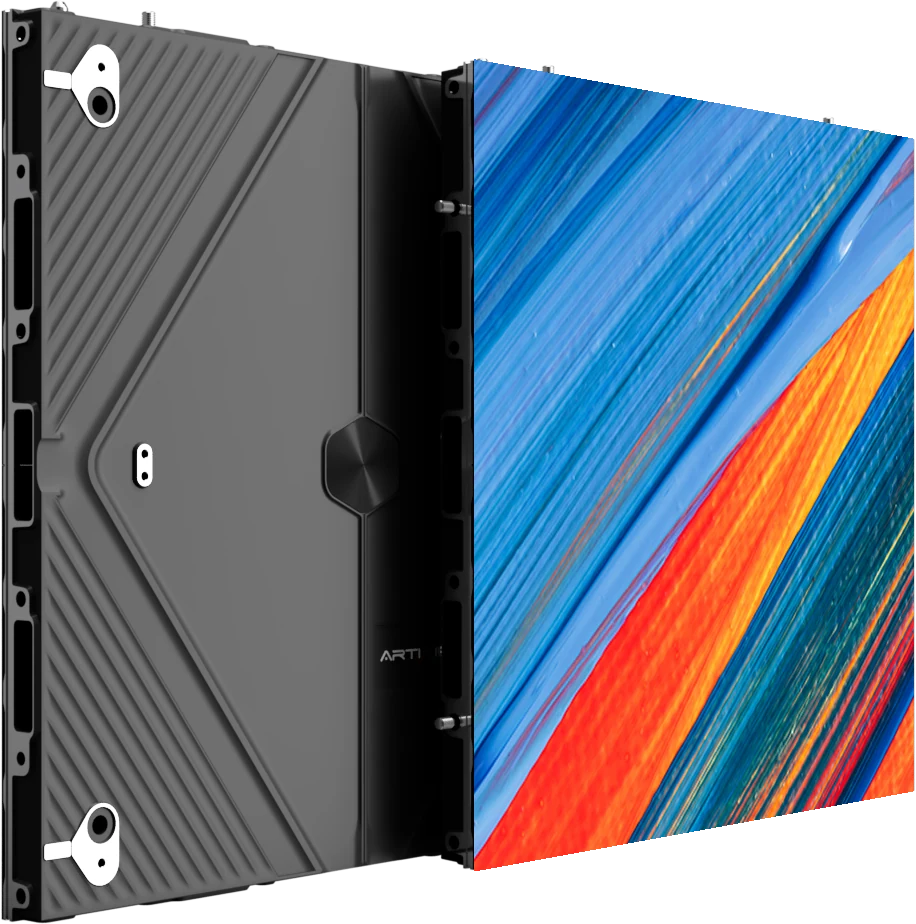
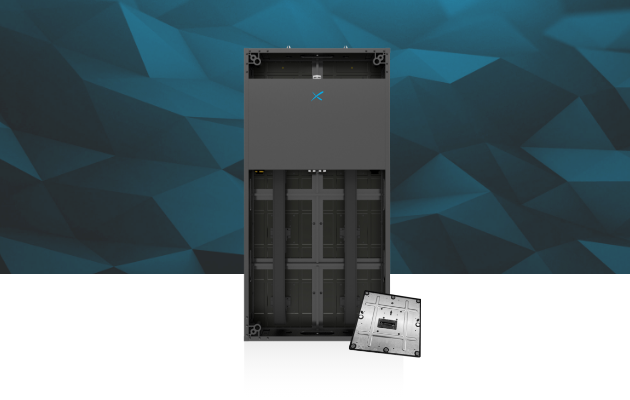
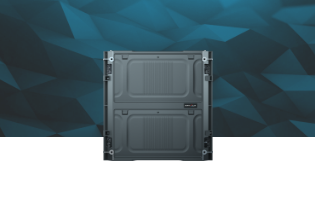
One of the major innovations of the QWARTZ 3.0 lies in its universal modules and cabinets, allowing 90° rotation. As a result, a 1000 x 500 mm cabinet can be used in a 500 x 1000 mm configuration, without compromising colour consistency or the visual continuity of the display.
HOB Option
On the P1.9 and P2.6 versions, the QWARTZ 3.0 can optionally integrate HOB — Hotmelt On Board technology. More robust than a traditional GOB treatment, this hotmelt encapsulation provides enhanced protection for LED modules against impacts, humidity and everyday wear.
In addition to improving display durability, the HOB treatment helps preserve excellent visual clarity. It also enables deeper blacks and smoother colour diffusion, significantly enhancing the overall perception of the image.
This option is therefore particularly relevant for indoor installations requiring both fine image rendering and increased resistance.
Simplified Front Maintenance
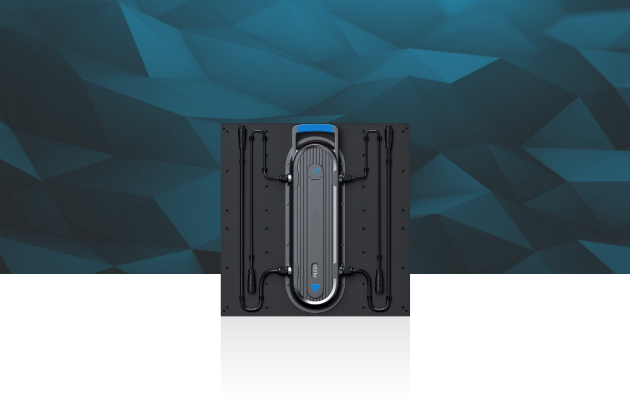
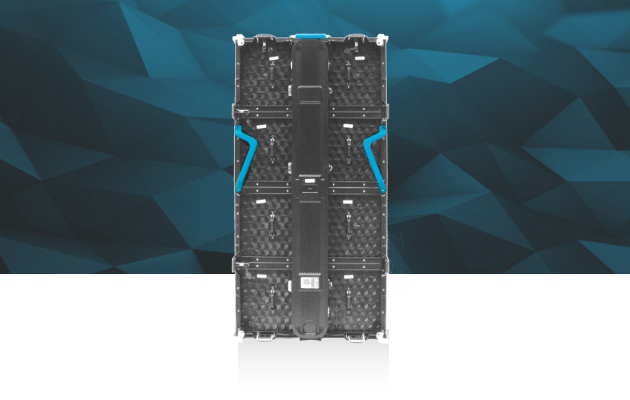
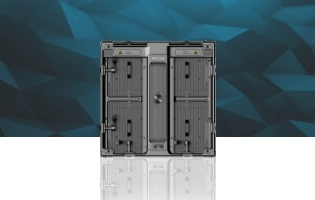
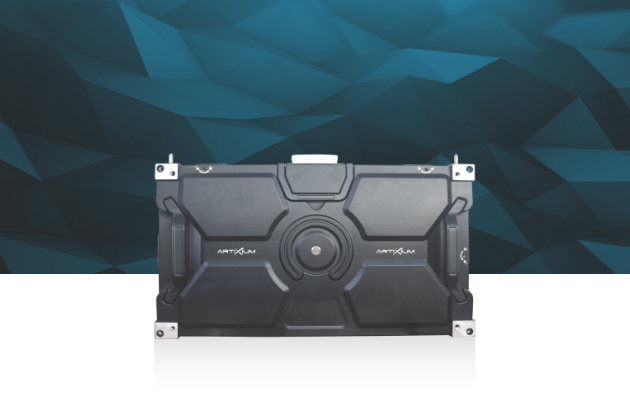
The QWARTZ 3.0 has been designed to provide full front maintenance, making technical interventions easier even when the display is installed against a wall or integrated into a constrained environment.
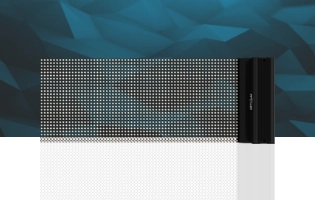
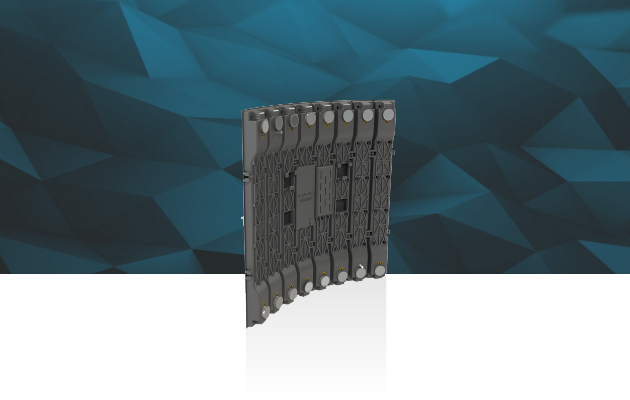
Its LED modules are magnetically attached to the cabinets, allowing them to be quickly removed using a dedicated maintenance tool, without dismantling the structure or requiring rear access to the display. This design significantly reduces on-site intervention time, simplifies module replacement and improves overall operational efficiency.
Thanks to this intuitive front-maintenance design, the QWARTZ 3.0 is perfectly suited to permanent installations, indoor LED walls and architectural projects requiring a solution that is elegant, accessible and easy to maintain.
COB Technology
The P1.5 version of the QWARTZ 3.0 integrates COB — Chip On Board technology. This technology represents a major step forward in the field of LED display by mounting the LED chips directly onto the printed circuit board, without individual LED packages.
This architecture enables higher pixel density, significantly reduces the space between pixels, and provides a smoother, more uniform image surface that is particularly comfortable at very short viewing distances.
The result is a striking visual rendering, combined with improved heat dissipation, optimized power consumption and increased durability. Ideal for demanding environments, COB technology delivers an immersive and precise visual experience, even in close-viewing configurations.
Compatible with the Brompton Environment
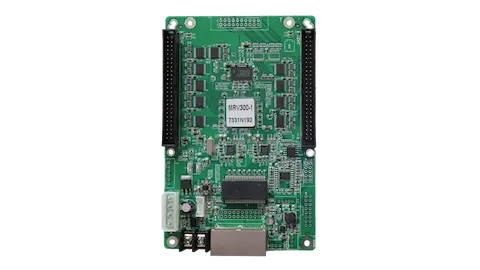
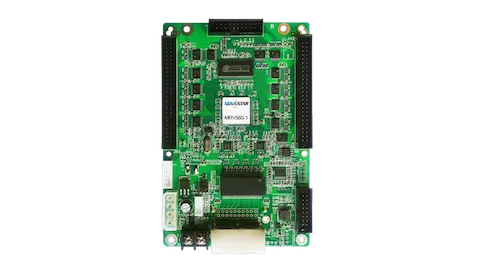
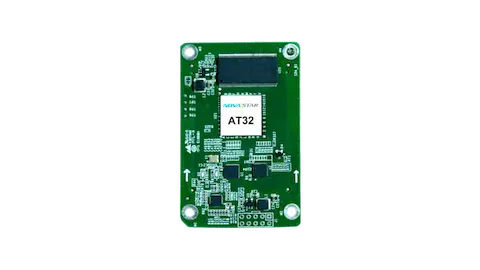
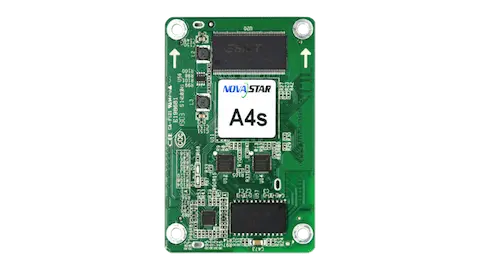
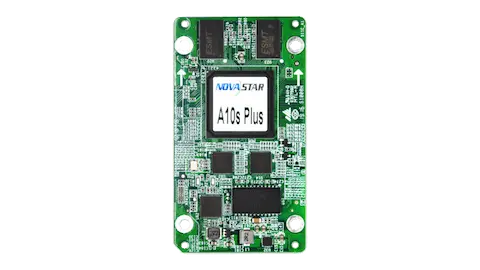
For exceptional installations, the QWARTZ 3.0 can be equipped with Brompton Technology receiving cards.
As a key reference in virtual production, extended reality and premium LED display environments, the Brompton ecosystem provides high-end image processing as well as access to advanced features: automatic brightness and colour calibration, geometric image adjustment, multi-screen splicing, precise colour management and camera-oriented rendering optimization.
This compatibility enables the QWARTZ 3.0 to meet the requirements of the most ambitious projects, from high-end corporate environments and XR studios to immersive showrooms and complex architectural installations.