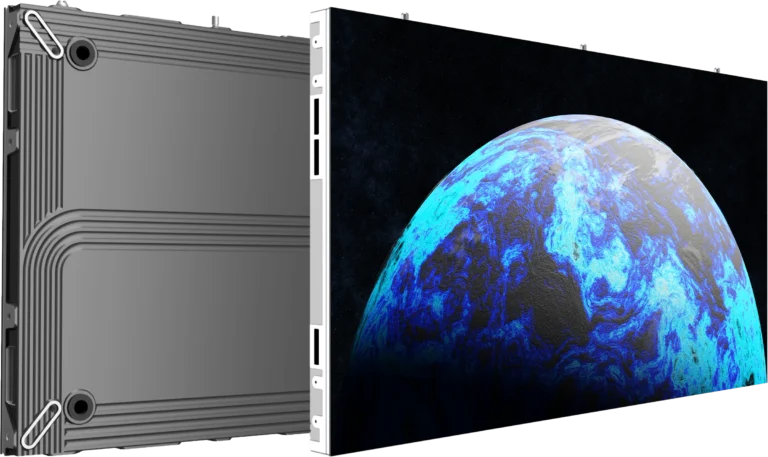
Qwartz 3 indoor LED display with front maintenance
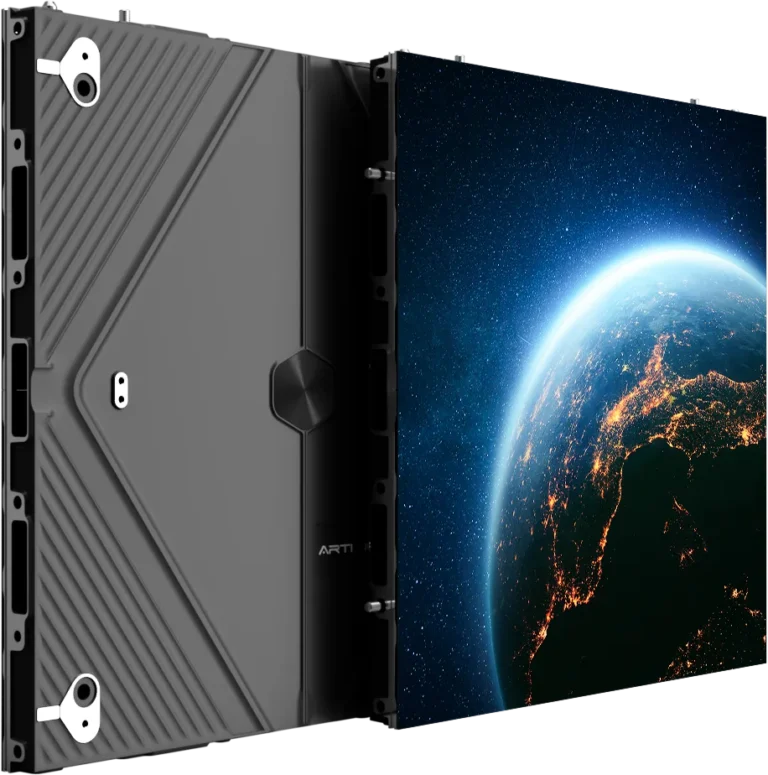
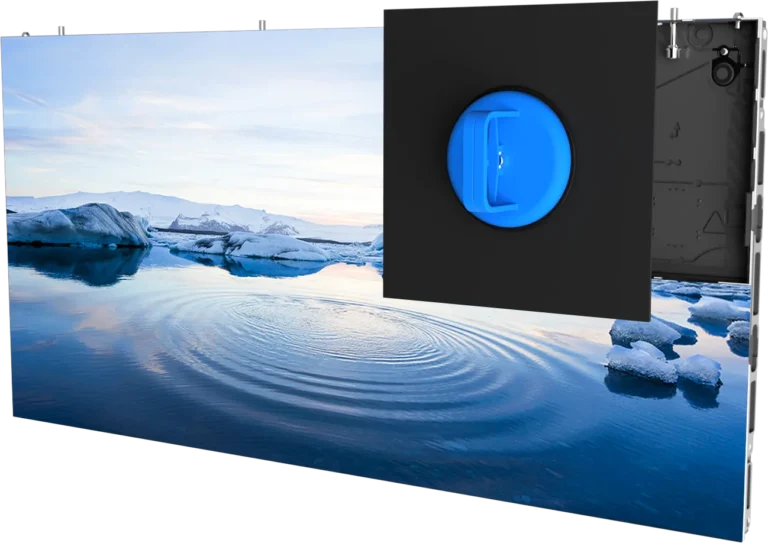
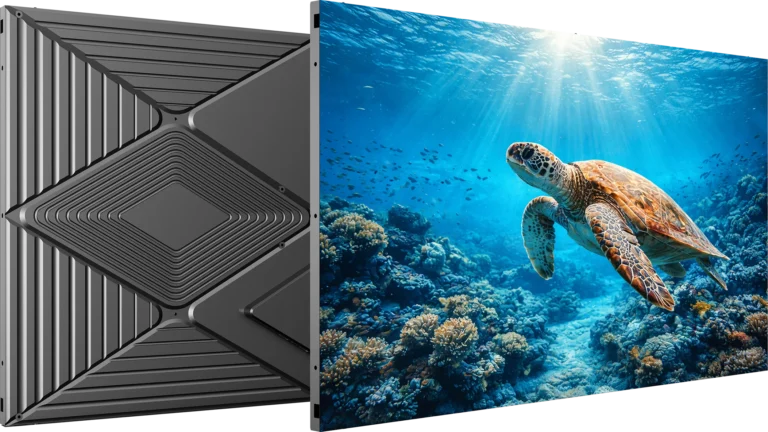
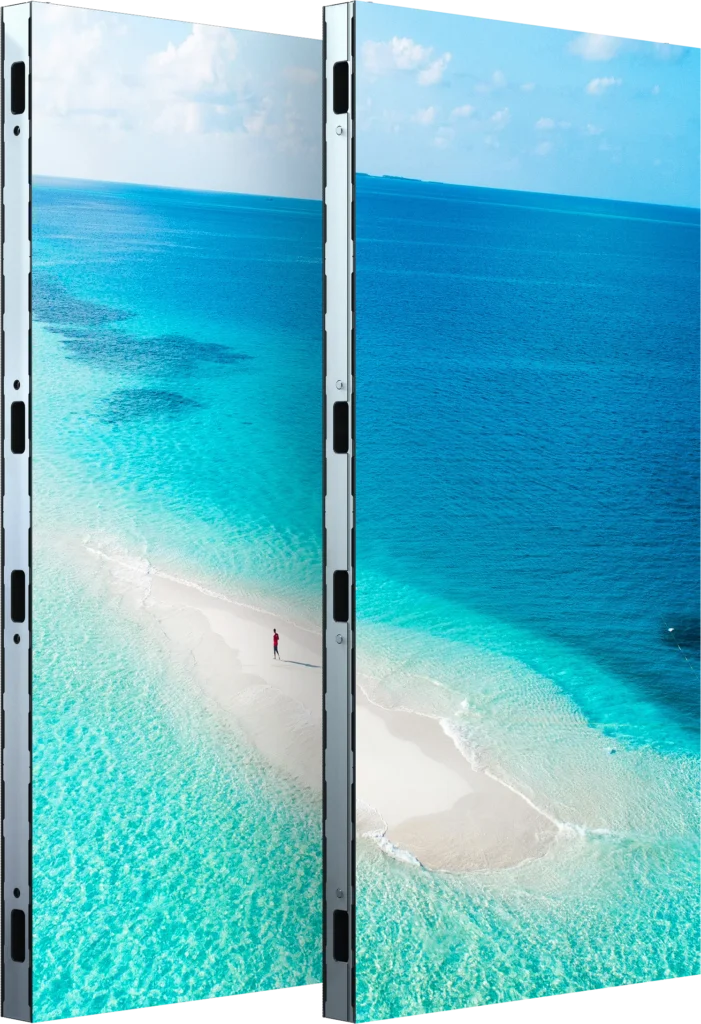
The Qwartz 3 indoor LED display is the latest version of our Qwartz range. Its front-service cabinets come in P1.5, P1.9 and P2.6 pixel pitch, with COB technology on the P1.5 version. Eight cabinet sizes combine, and quarter-circle cabinets, corner cabinets or flexible modules take the screen beyond a flat wall.
Qwartz 3
Features
Maximum Modularity
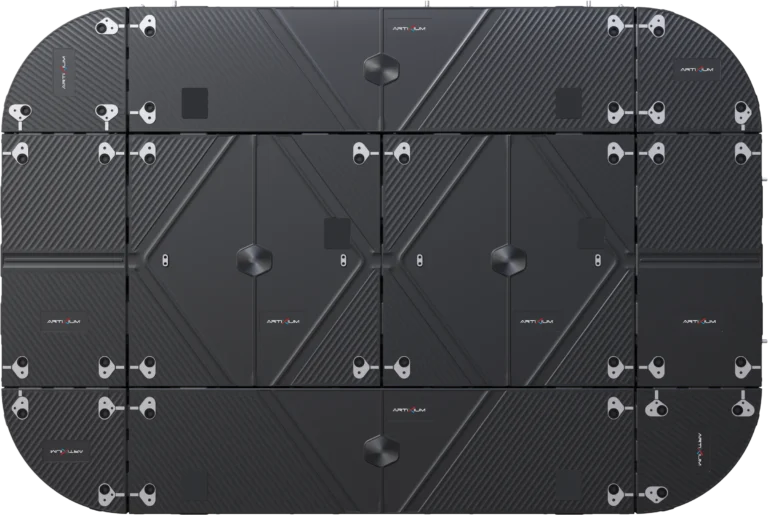
The Qwartz 3 indoor LED display is built around eight fully compatible cabinet sizes, ranging from compact 250 × 250 mm units to larger 1000 × 500 mm formats. This extensive selection allows indoor LED displays to be configured with dimensions that closely match the architectural constraints of each project rather than relying on a single standardized cabinet size.
All formats share the same installation and maintenance logic, enabling different cabinets to be combined within one coherent LED system. This modularity makes the Qwartz 3 very adaptable for custom indoor LED walls, architectural integrations and high-end display installations that need precise final dimensions.

COB Technology
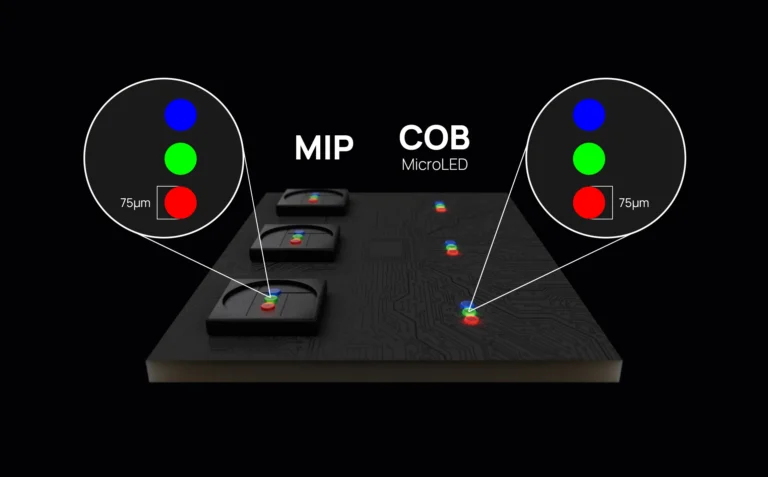
The P1.5 version of the Qwartz 3 uses COB (Chip On Board) technology, with LED chips mounted directly onto the circuit board instead of sitting in individual packages. This gives higher pixel density and much smaller gaps between pixels, for a smoother, more even surface at very short viewing distances. COB technology also contributes to improved heat dissipation, optimized power consumption and increased durability. The result is a precise indoor LED display for uses where fine detail, close viewing and an even picture are essential.
90° Rotation
The Qwartz 3 indoor LED display introduces universal modules and cabinets capable of 90° rotation, significantly increasing the flexibility of the system. A 1000 × 500 mm cabinet can therefore be installed vertically as a 500 × 1000 mm configuration without requiring a dedicated alternative cabinet.
This universal architecture allows portrait and landscape formats to be combined according to the requirements of the project while preserving colour consistency and visual continuity across the LED surface. The same hardware works in several orientations, which gives more freedom when configuring custom indoor installations with the Qwartz 3.
Front Maintenance
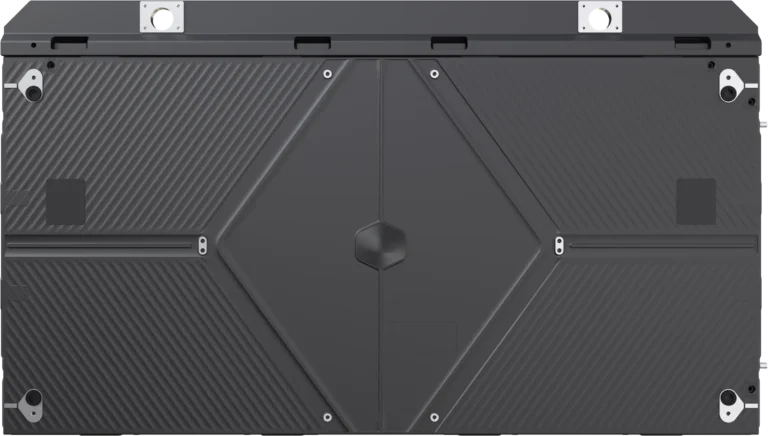
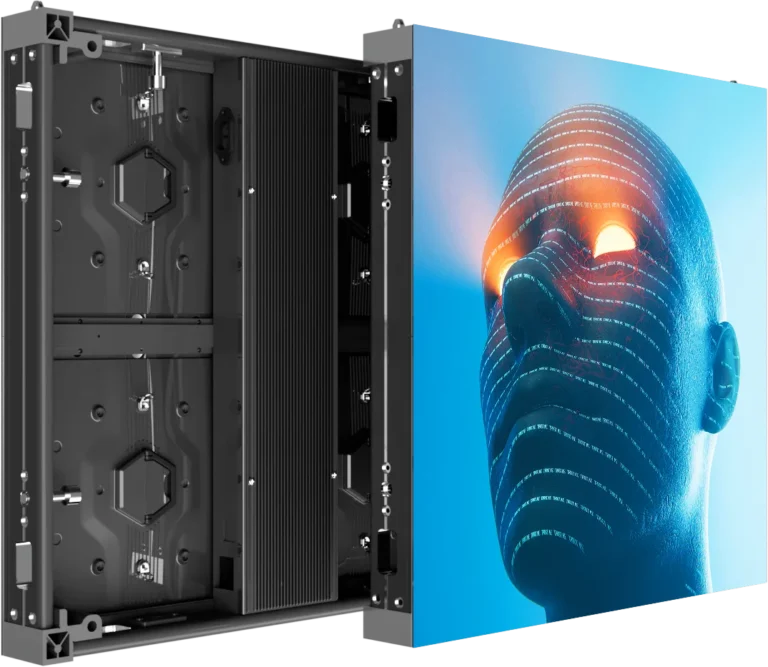
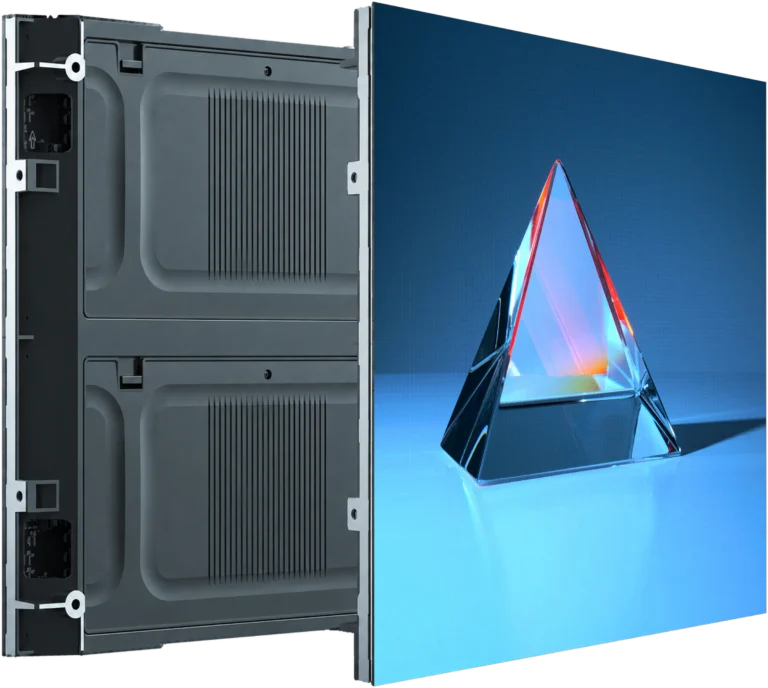
The Qwartz 3 indoor LED display provides complete front maintenance, making the system particularly suitable for permanent LED displays installed directly against walls or within space-constrained architectural structures. Its LED modules are magnetically attached to the cabinets and can be removed from the front using a dedicated maintenance tool.
Technicians can therefore access and replace individual modules without dismantling the supporting structure or requiring a technical corridor behind the screen. Front access cuts intervention time and simplifies routine servicing. It is a real advantage for indoor LED walls where access is limited and installation depth is tight.
HOB Protection
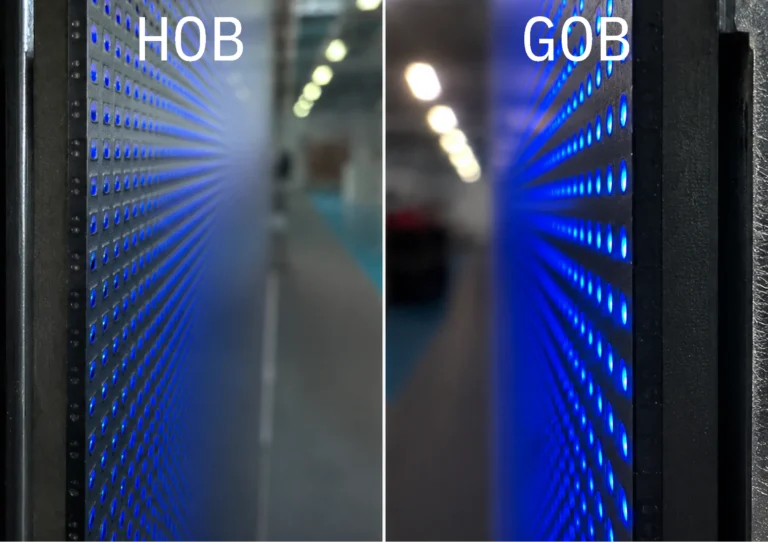
The P1.9 and P2.6 versions can optionally incorporate HOB, providing additional protection for the LED modules. This hotmelt encapsulation is described as tougher than a traditional GOB treatment and better resists knocks, humidity and everyday wear. Besides protecting the LEDs, the HOB treatment keeps the picture clear and gives deeper blacks and smoother colours. This option is therefore particularly relevant for indoor installations where fine image quality must be combined with increased resistance to repeated contact and environmental exposure.
Brompton Compatibility
For demanding professional installations, the Qwartz 3 can optionally be equipped with Brompton Technology receiving cards. This integration brings advanced LED processing such as brightness and colour calibration, precise colour management and camera-friendly image tuning, for high-end visual environments. Brompton’s ecosystem is specifically developed for applications requiring advanced image processing, including broadcast, virtual production and extended reality workflows. This compatibility extends the Qwartz 3 beyond conventional indoor display applications, making it suitable for XR studios, immersive showrooms, high-end corporate spaces and complex visual installations requiring sophisticated processing control.
Rounded Corners
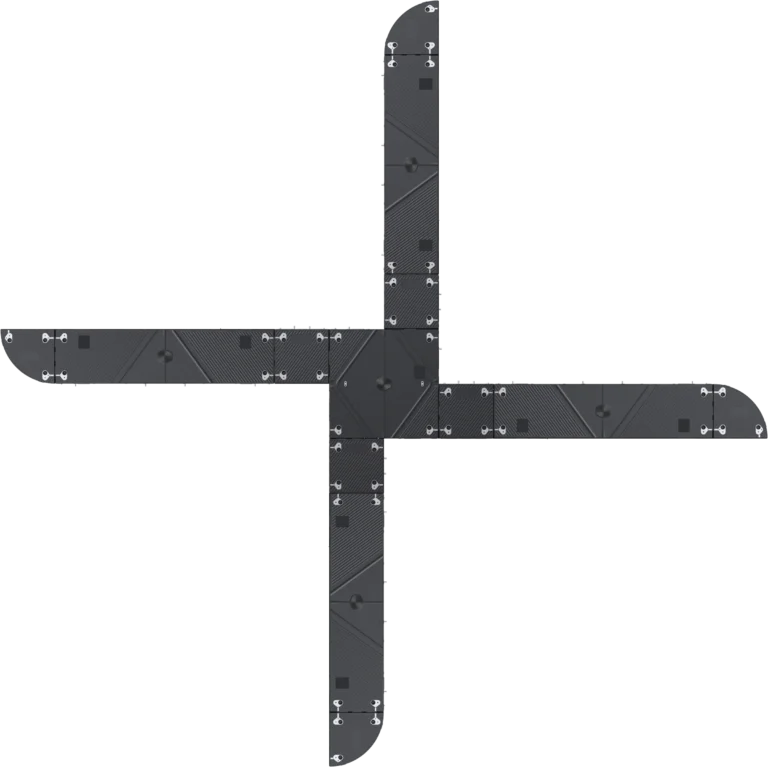
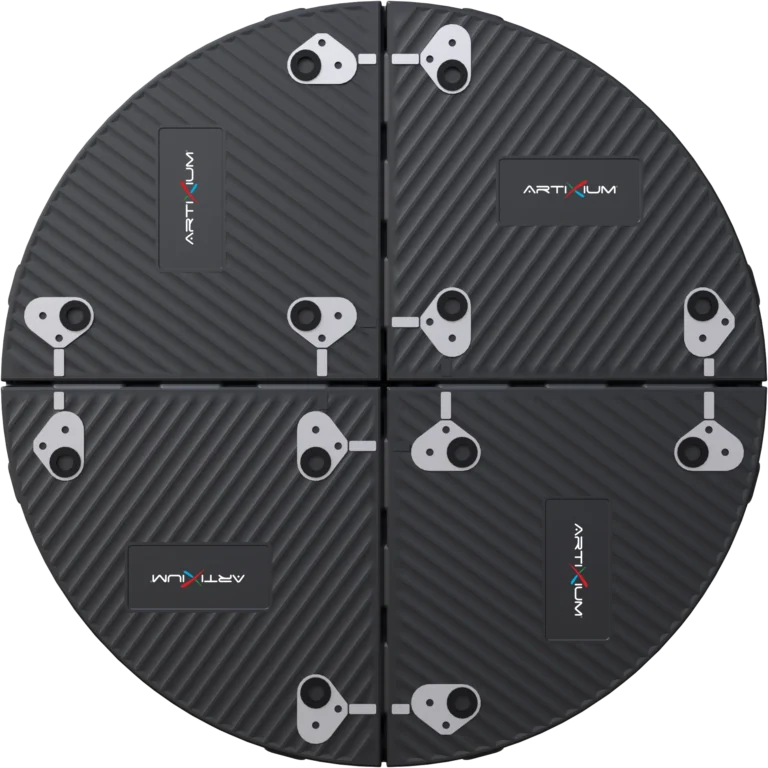
Dedicated quarter-circle cabinets let the Qwartz 3 create rounded corners and neat curved finishes in custom LED installations. These cabinets take the system beyond rectangular screens, so the LED surface can follow softer architectural shapes. Rounded sections can be incorporated alongside the standard cabinet formats while remaining part of the same modular Qwartz 3 platform. This configuration gives more creative freedom to indoor projects where the shape of the LED screen has to match the architecture.
90° Corners
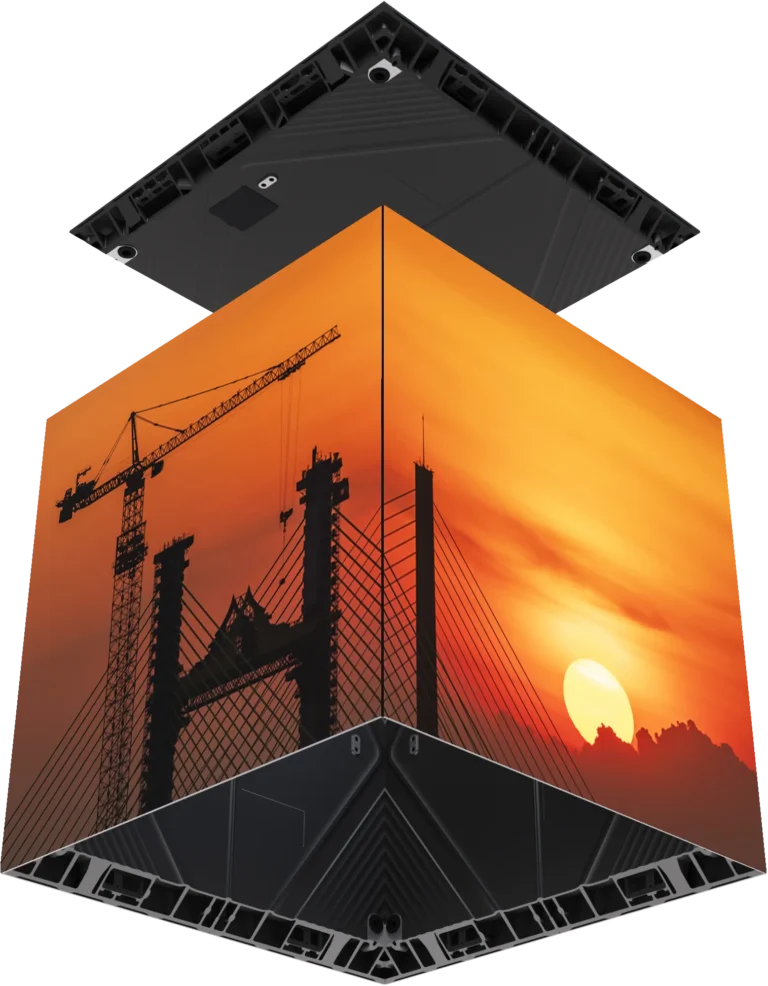
For projects that need precise right angles, the Qwartz 3 comes with 45° bevelled cabinets that form clean 90° LED corners. Content can then continue across two perpendicular surfaces, with a clean joint between them. The bevelled cabinet architecture is particularly useful for architectural installations where an LED wall must follow the corner of a structure rather than terminate at the edge of a flat surface. This option expands the creative possibilities of the system while retaining the same modular approach used throughout the Qwartz 3 range.
Flexible Modules
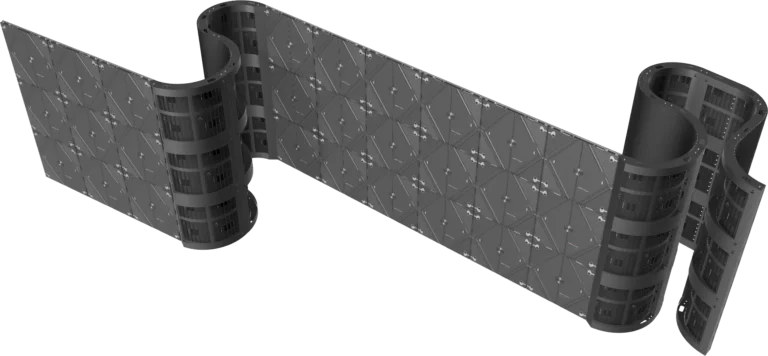
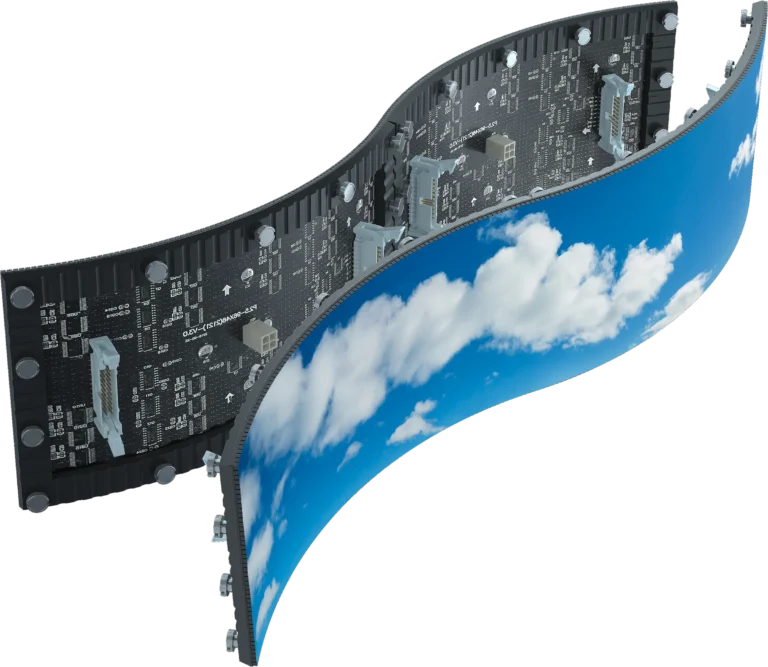
For very creative installations, the Qwartz 3 can take flexible LED modules that follow complex curved surfaces. These modules make it possible to create customized concave, convex or free-form display geometries while remaining compatible with the Qwartz 3 cabinet architecture. Integrators can build more ambitious shapes without changing the screen’s existing power and data setup. Dedicated backshells can also be provided to simplify installation while improving module ventilation and physical protection, making the system better suited to demanding architectural and bespoke LED projects.
Installation Accessories
The Qwartz 3 has a full range of dedicated installation accessories to suit different architectural configurations. Available solutions include hanging bars, wall-mounting brackets and dedicated fixing systems, giving integrators several methods for positioning and securing the LED display.

These accessories complement the extensive range of cabinet dimensions and allow the mounting solution to be selected according to the structural constraints of each project. The resulting installation ecosystem provides greater flexibility for suspended displays, wall-mounted LED screens and other customized indoor integrations while remaining within the same Qwartz 3 platform.