By the Artixium technical team · Updated 16 October 2026
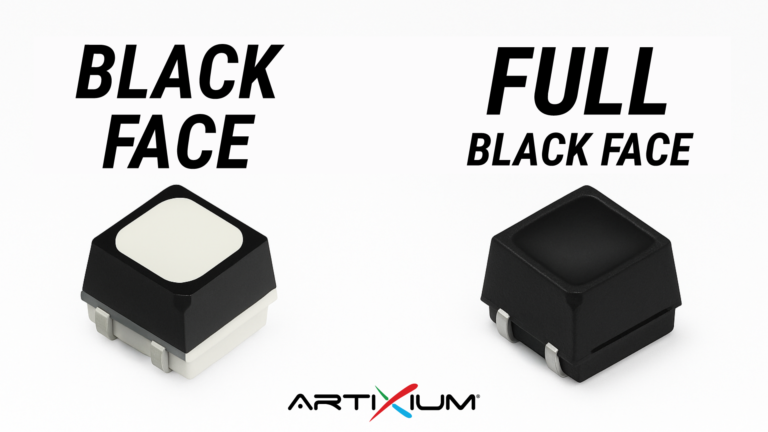
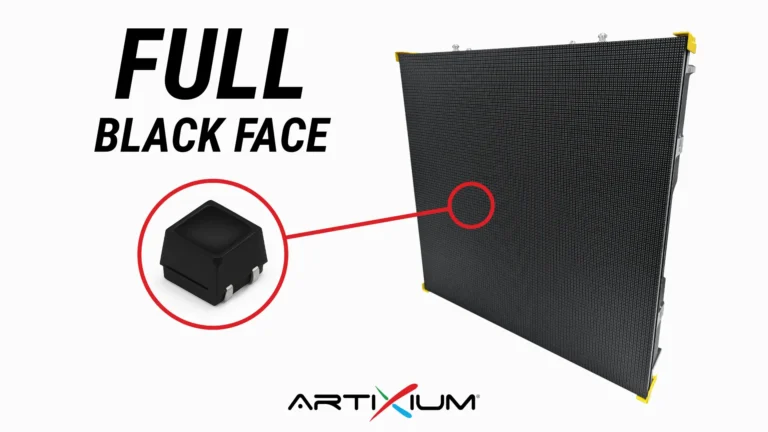
Black face vs full black face: the difference comes down to the LED resin. Full black face LEDs use a very dark resin that reflects less ambient light, so blacks look deeper and contrast is higher, at the cost of lower peak brightness. Black face is the versatile choice, full black face the one for indoor rooms with controlled lighting.
What Is a Black Face LED Screen?
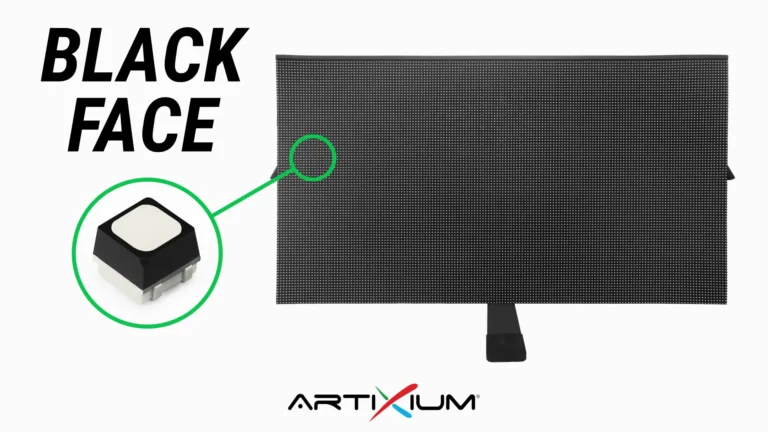
At Artixium, “black face” refers to our standard resin LEDs. They balance contrast and brightness, and work indoors as well as outdoors.
Their contrast is good and their brightness high, which makes them easy to install almost anywhere. On the other hand, their blacks are less deep than full black face, and reflections can appear under strong ambient light.
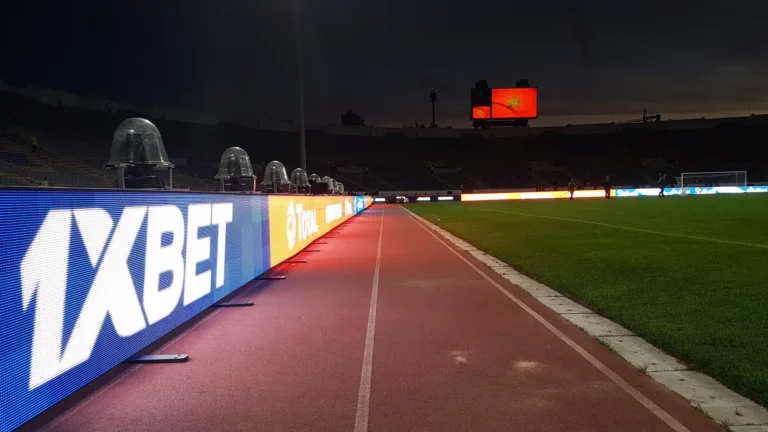
You find them in shops, stadiums, outdoor signage and most indoor LED walls. Our Neipatec ST, installed around sports pitches, is one example: it relies on brightness, which open-air sites need.
What Is a Full Black Face LED Screen?
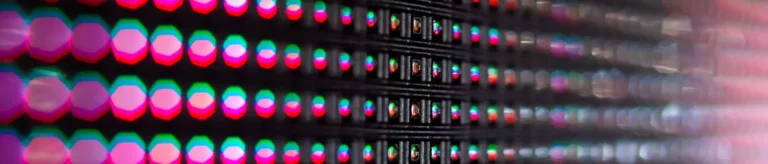
Full black face LEDs use a very dark resin that absorbs much of the ambient light. Blacks gain depth and contrast goes up, with a cinema-like look indoors.
Peak brightness, however, is lower than black face. These screens are not recommended in direct sunlight or very bright venues.
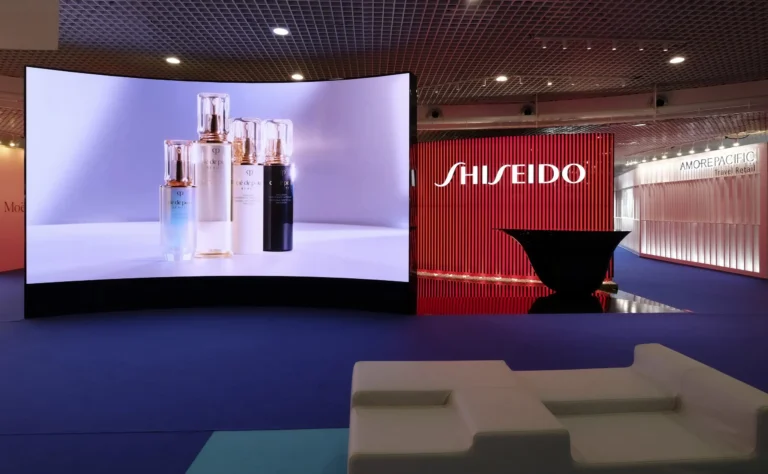
They suit TV studios, museums, galleries and high-end shops. Our Beryl XR in P1.9 uses these LEDs for indoor installations where contrast comes first.
Black Face vs Full Black Face: How Do You Choose?
Start with the light on site. Outdoors or in a glazed hall, black face keeps the edge thanks to its brightness. In a studio, an auditorium or a shop with controlled lighting, a full black face screen gives a deeper picture.
Then look at the content. Dark videos or high-end brand imagery benefit from full black face contrast. Information read from a distance in daylight mostly needs brightness.
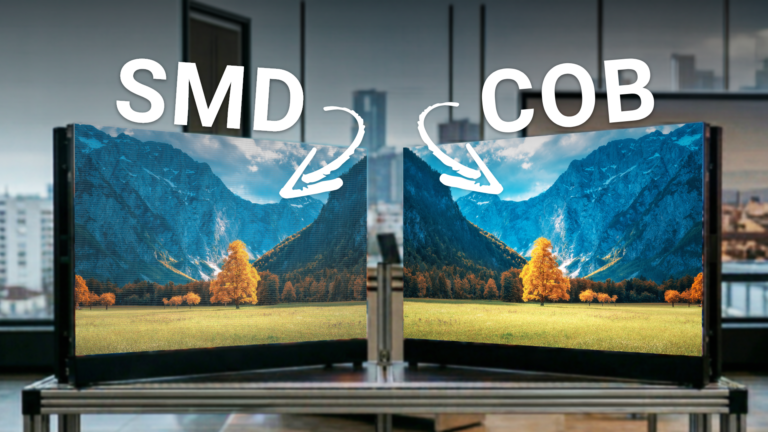
In the black face vs full black face choice, the easiest way is to compare both side by side. Our showroom near Lyon lets you do that before you decide.
Frequently asked questions
Can a full black face LED screen be used outdoors?
It is rarely the right choice. Its lower peak brightness holds it back in direct sunlight. Outdoors, a bright black face screen stays easier to read.
Why does the LED colour change contrast?
A dark surface reflects less ambient light. When the screen shows black, it stays darker, and the gap with bright areas widens. Wikipedia explains contrast ratio, and our guide to LED screen contrast applies it to screens.
Can you see the difference with the naked eye?
With the screen off, yes: in a black face vs full black face test, the full black face module looks more evenly black. Switched on in a dark room, the gap shows mostly on dark images.
Which LED type suits a TV studio?
Usually full black face, because lighting is controlled and the camera benefits from high contrast. Check the refresh rate as well, since it matters a lot on camera.
Are these two terms standardised?
No. Each manufacturer draws the black face vs full black face line its own way. At Artixium, black face means our standard resin LEDs and full black face our very dark resin LEDs. Always compare datasheets, especially contrast and brightness.