Beryl XR LED wall for immersive XR production
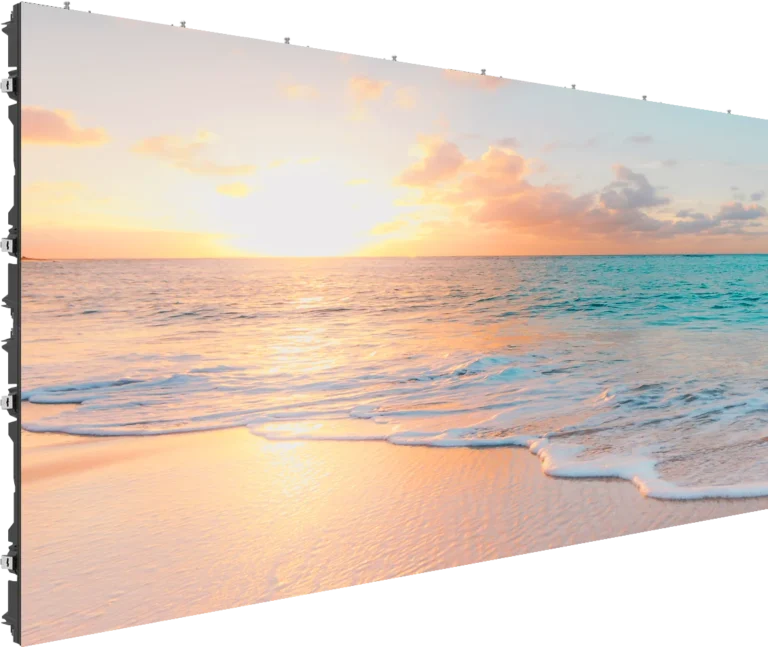
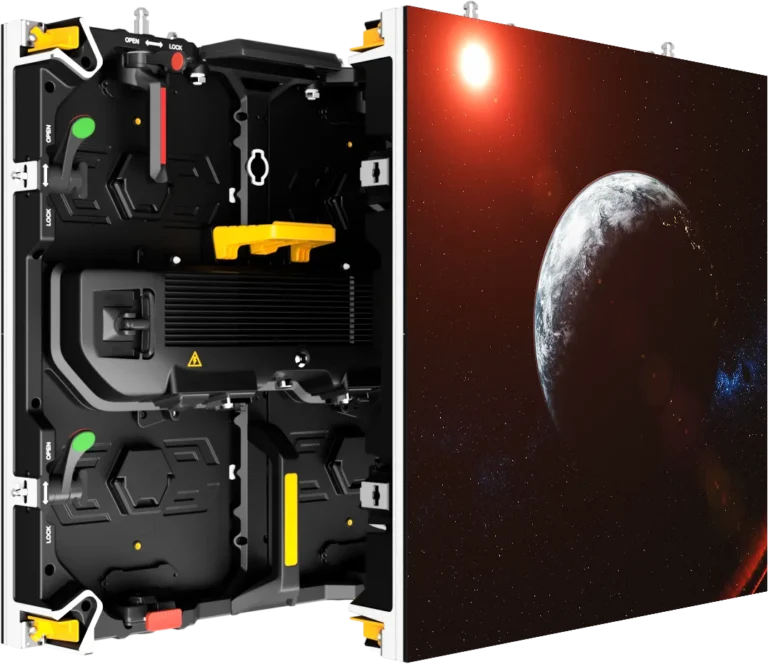
The Beryl XR LED wall is built for extended reality, virtual production and broadcast studios. It runs at 7,680 Hz, comes in P1.5, P1.9 and P2.6 pixel pitch with MiniLED 4-in-1, and works with Brompton Technology processing.
Beryl XR
For XR & Virtual Production
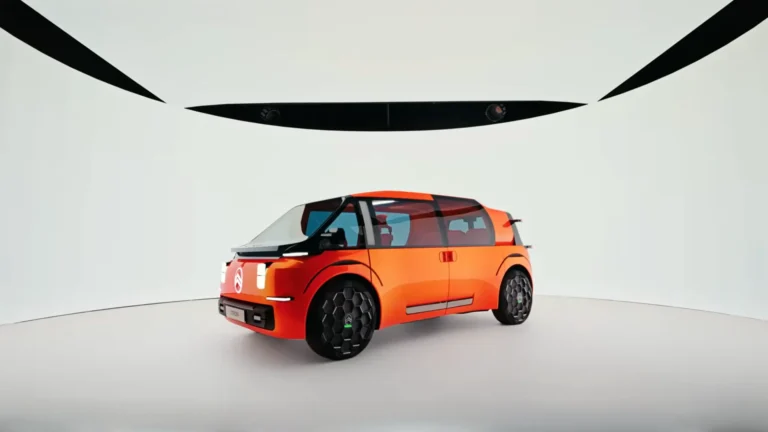
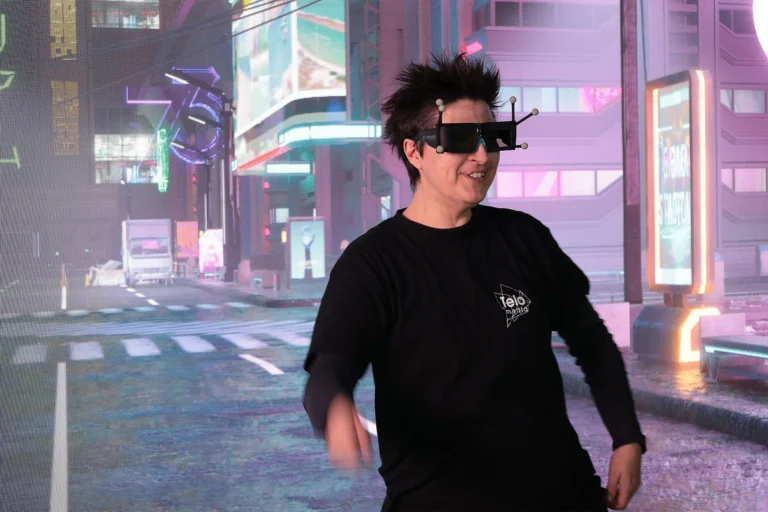
Extended Reality (XR) is the combination of Augmented Reality (AR) and Mixed Reality (MR). AR places virtual imagery over a live background, while MR combines camera tracking and realtime rendering to create an immersive virtual environment, visible live on the LED set and shot on camera.
Features
7680 Hz Refresh Rate
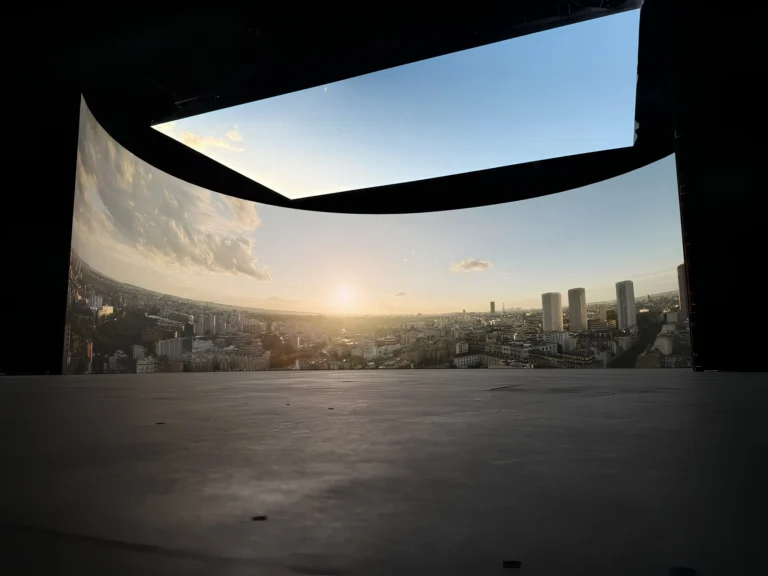
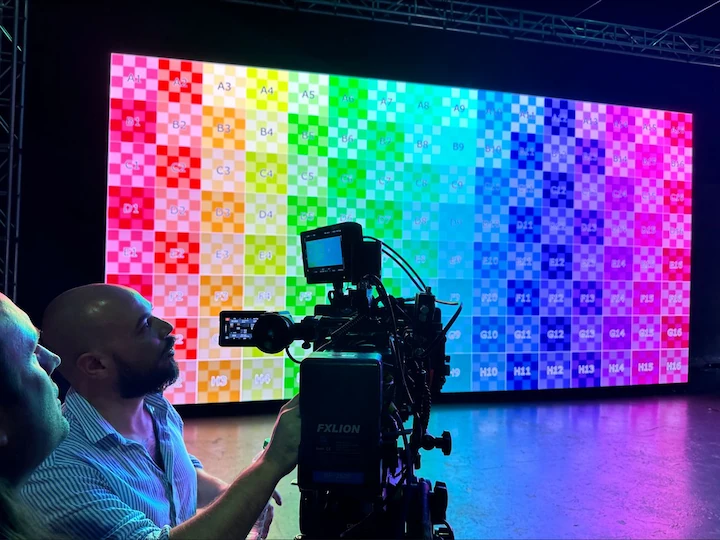
The Beryl XR LED wall operates at a 7,680 Hz refresh rate, supporting smooth synchronization between the LED display and professional cameras. This high refresh frequency helps the displayed image remain stable during filming and contributes to more fluid calibration across an extended reality set.
The screen is designed to respond in real time to changes in camera position and performer movement, which is essential when the LED background is captured directly rather than added entirely during post-production. This performance makes the Beryl XR suitable for demanding productions where visual continuity must be maintained throughout camera tracking, rendering and live shooting.
Optimized Scan Rate
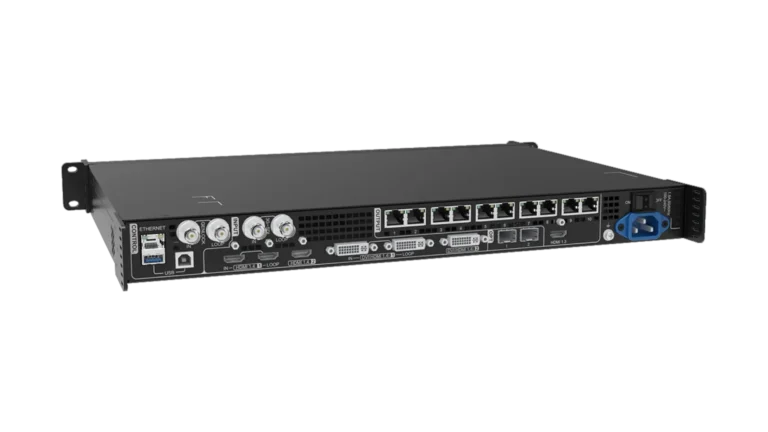
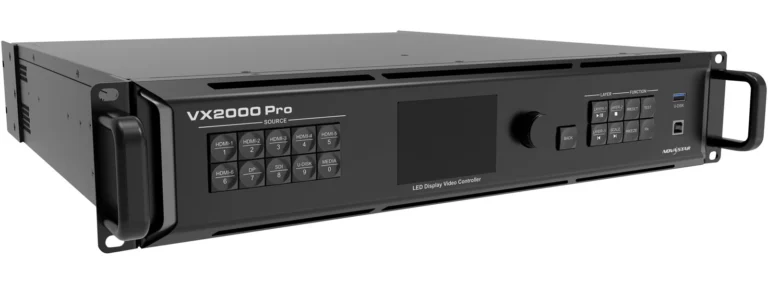
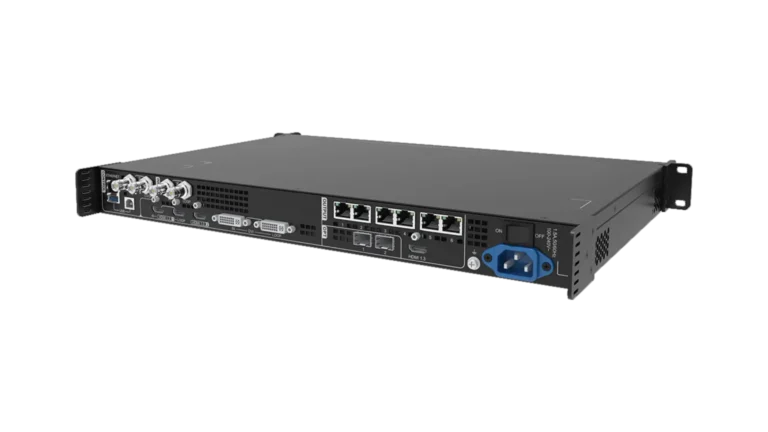
The Beryl XR uses Brompton Technology processing with scan rates adapted to each pixel-pitch configuration. The P1.5 version operates at 1/10 scan, while the P1.9 and P2.6 versions use 1/8 scan. Increasing the number of drivers relative to the integrated circuits allows the visual signal to be transmitted more quickly and fluidly across the LEDs. This optimized architecture supports more precise screen calibration and improves the display’s suitability for camera-based XR production, where signal stability and controlled LED behaviour are necessary to reduce visible artefacts during filming.
Fine Pixel Pitch
The Beryl XR LED wall is available in P1.5, P1.9 and P2.6 pixel pitches, providing the fine pixel density required for detailed extended reality backgrounds. These configurations allow an LED volume to reach Ultra HD or 4K definition with a limited number of cabinets, helping production teams create highly defined virtual environments without unnecessarily increasing the physical dimensions of the set.
Fine pixel spacing is particularly valuable when the display is recorded by cameras, as the visual content must retain sufficient detail throughout different framings and shooting conditions. The available pitch range also allows the screen specification to be adapted to the resolution requirements of each production.
MiniLED 4-in-1
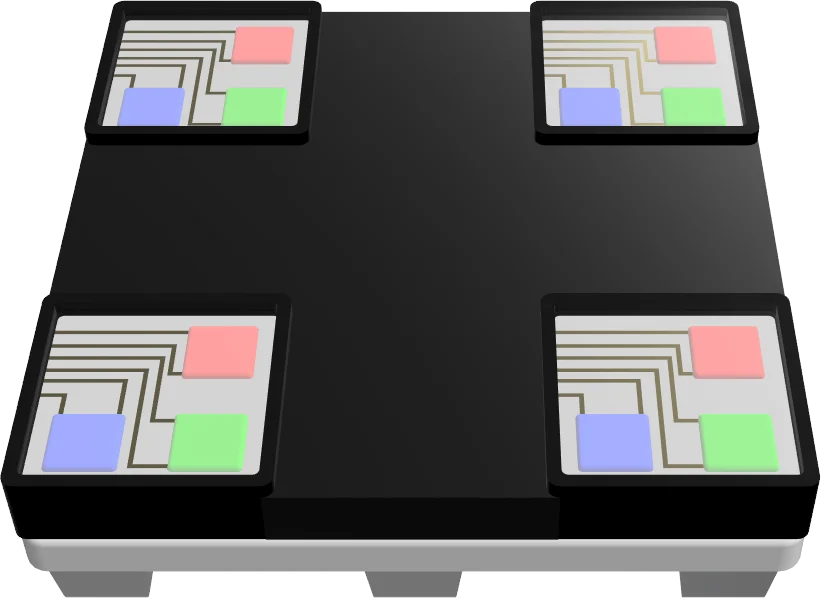
The display uses MiniLED 4-in-1 technology, which encapsulates four small LEDs within the physical space normally occupied by one conventional SMD LED. This construction increases the number of light-emitting elements available across each module while maintaining a compact LED package. The encapsulation also reinforces the physical resistance of the LEDs, improving their durability for a rental product intended for repeated assembly and handling. Unlike a fully encapsulated module, each MiniLED 4-in-1 component can still be repaired individually by a qualified technician, allowing localized servicing without replacing the complete display module.
DCI-P3 Color Coverage
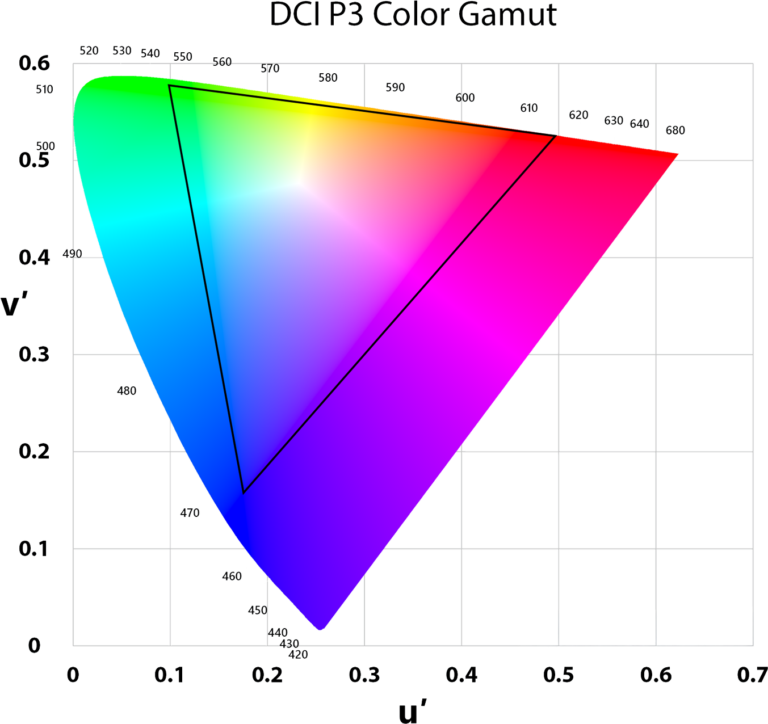
The Beryl XR provides near-complete DCI-P3 colour reproduction, supporting the faithful display of the wide colour range used in professional cinema and audiovisual production. Brompton testing recorded 99.8% total DCI-P3 coverage, including 99.9% red, 100% green and 99.4% blue coverage. The DCI-P3 gamut covers a larger colour space than sRGB, enabling the display to reproduce a broader selection of saturated and nuanced colours. This wide gamut is particularly important for XR environments, where the LED background must integrate convincingly with physical subjects, studio lighting and the colour workflow used by the camera system.
Tested Luminance
Independent testing carried out with Brompton Technology on a Beryl XR P2.6 cabinet recorded an achievable luminance of 1,574 nits at a D65 white point. The same testing reported 1,550 nits when evaluated with an ACES white point. These measured values demonstrate the cabinet’s ability to provide substantial light output for XR shooting environments, where the LED screen contributes directly to the illumination and reflections visible on physical subjects. The measured brightness also supports more flexible coordination between the LED background, studio lighting and camera exposure during professional audiovisual production.
Real-Time XR Production
The Beryl XR is designed for workflows combining camera tracking and real-time rendering. Virtual environments can be displayed directly on the LED set, updated according to the camera position and captured as part of the filmed scene. This enables complex visual effects to be incorporated into audiovisual productions during shooting, including live broadcasts.
The real-time reaction to camera and performer movements creates a more immersive working environment than a conventional static background and allows the production team to see a more complete version of the final composition on set. The resulting footage can also be refined further during post-production.
Flexible Installation
The Beryl XR supports ceiling-hung, floor-stacked and structure-mounted installation methods, allowing the same cabinet system to accommodate different studio and production layouts. This flexibility is particularly relevant for rental applications and temporary audiovisual sets, where the LED configuration may need to be assembled, removed and repositioned between projects. Production teams can select the mounting method that corresponds to the available support structure without changing the principal cabinet architecture. The ability to integrate the display in several ways also makes it easier to reuse the same equipment throughout different stages of a production process.
Toolless Curving
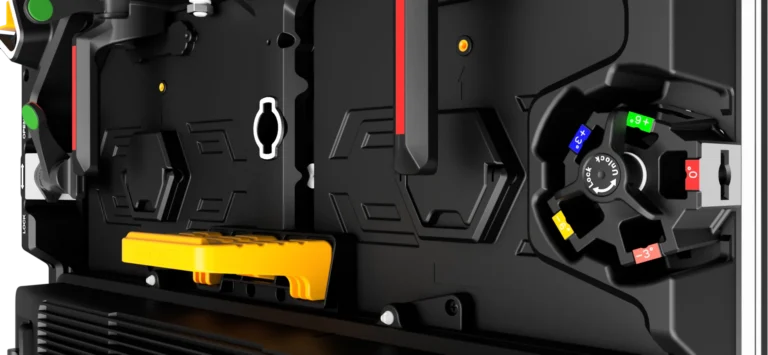
A toolless curve-locking system allows the Beryl XR cabinets to form tailored curved installations directly on site. The locking mechanism enables technicians to adjust the geometry of the display without relying on a separate tool-based fastening process for each cabinet connection. This makes the screen easier to adapt when a production requires a shaped LED wall rather than a conventional flat surface. Curved configurations can expand the visible background around the shooting area and support more immersive XR environments while retaining the modular construction required for repeated installation and dismantling.
90 Degree Concave Corners
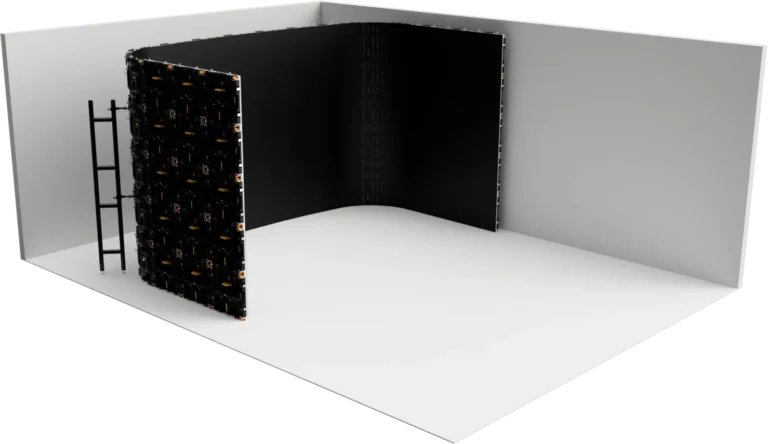
The Beryl XR can be integrated into 90-degree concave configurations, allowing LED surfaces to continue across two perpendicular sections of an XR set. This geometry is useful when creating enclosed or partially enclosed production volumes composed of adjoining LED walls. The right-angle configuration extends visual content around the corner of the set rather than limiting the virtual environment to a single flat background. It also enables the display structure to follow production layouts where multiple camera-facing surfaces are required within the same installation.
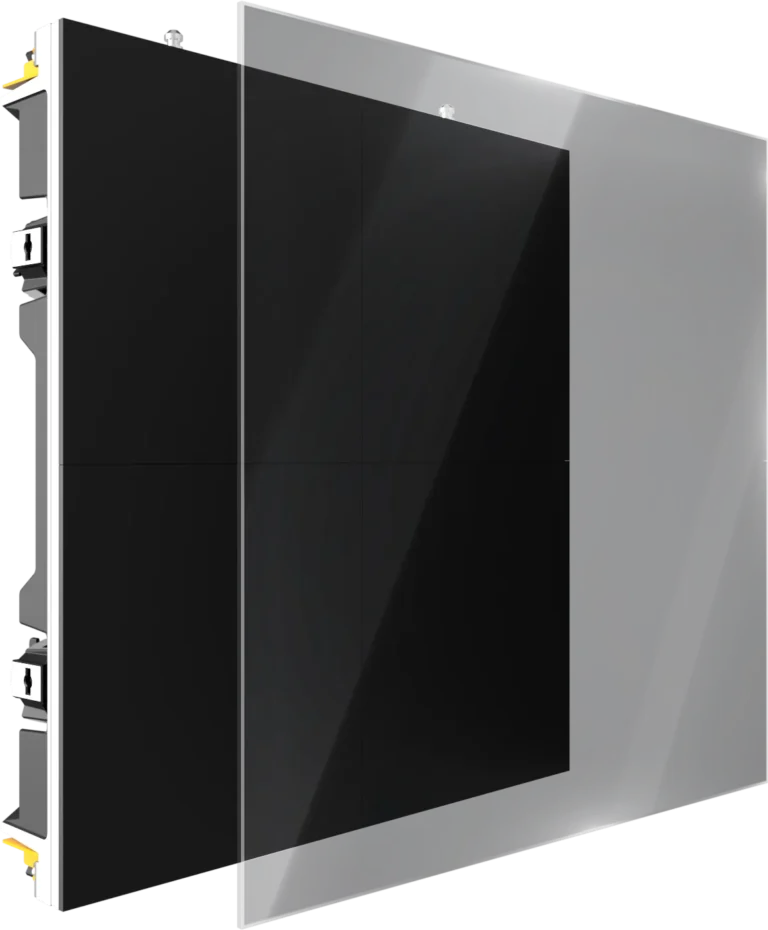
Glare and Scratch Resistance
The Beryl XR features a glare-resistant and scratch-resistant display surface designed for the demanding conditions of extended reality production and repeated rental use. Glare resistance helps limit disruptive reflections from studio lighting, preserving the visibility and consistency of the content captured by professional cameras. Scratch resistance protects the fine-pitch LED surface during frequent installation, dismantling, transportation and repositioning. Together, these protective characteristics help maintain a uniform camera-facing image while preserving the physical condition of the display throughout recurring production cycles.
Front Maintenance
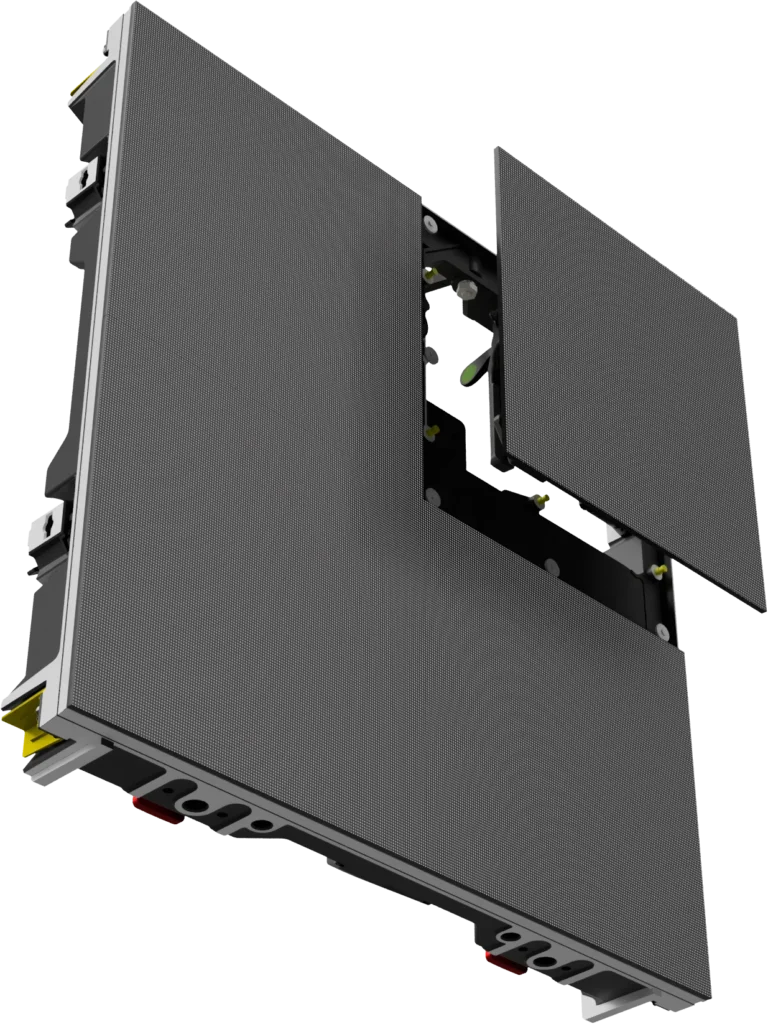
The Beryl XR LED wall uses magnetic front-access LED modules that can be removed from the visible side of the display with a vacuum suction tool. This access method allows technicians to remove an individual module precisely without dismantling the complete LED structure or requiring a dedicated service corridor behind the screen.
Front maintenance is particularly useful for XR sets where the cabinets may be positioned against a supporting structure or integrated into a confined production environment. By providing direct access to individual modules, the system supports fast, targeted and discreet servicing during installation or between production sessions.
Phosphorescent Elements
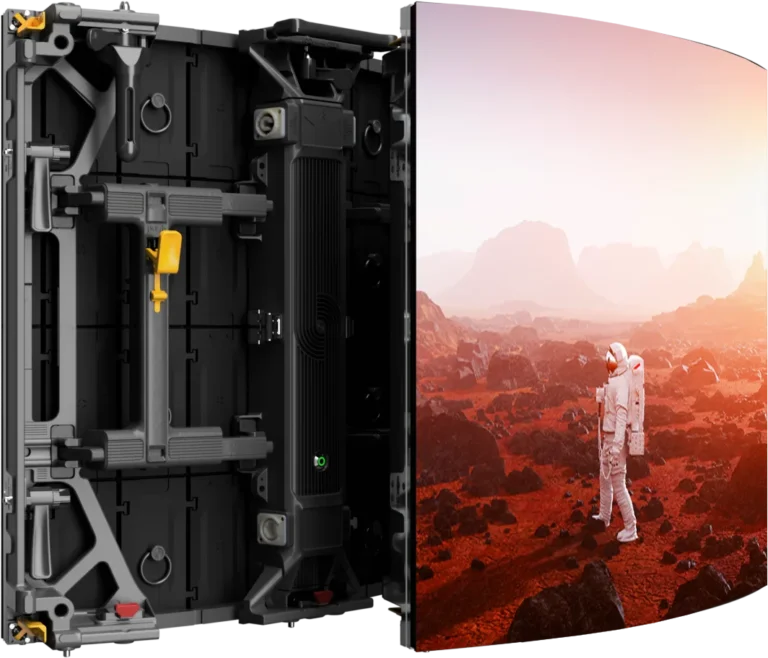
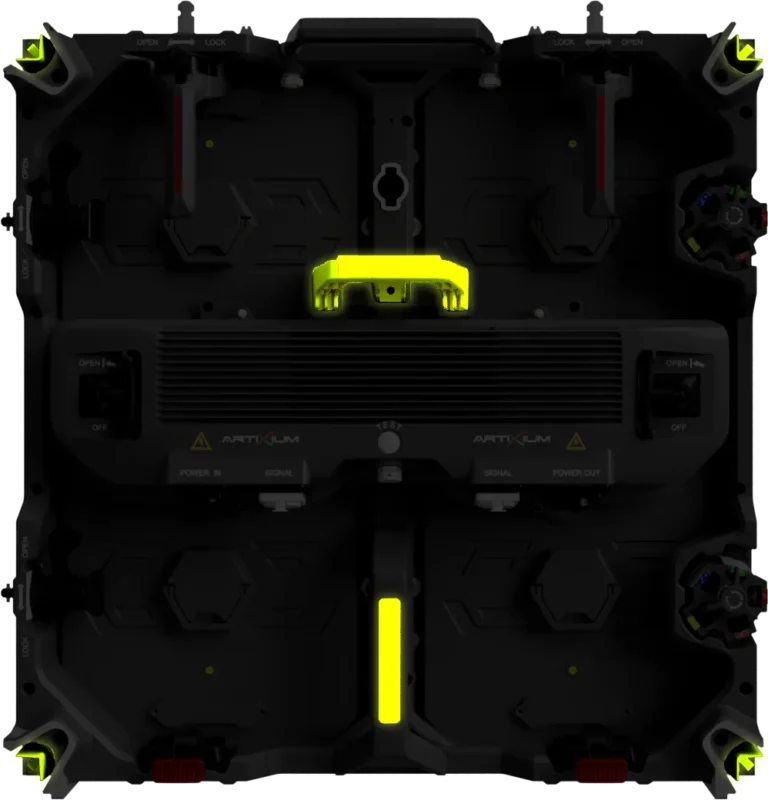
The Beryl XR includes phosphorescent elements designed for handling in dark environments. These visible markers support cabinet manipulation when ambient lighting is reduced, as may occur during studio preparation, stage changes or technical interventions between shots. Their integration into the cabinet’s handling concept helps operators identify the relevant areas while assembling, repositioning or dismantling the LED structure. This feature is particularly suited to audiovisual production spaces, where lighting conditions may change frequently and technicians may need to work around the display without activating the complete set lighting.