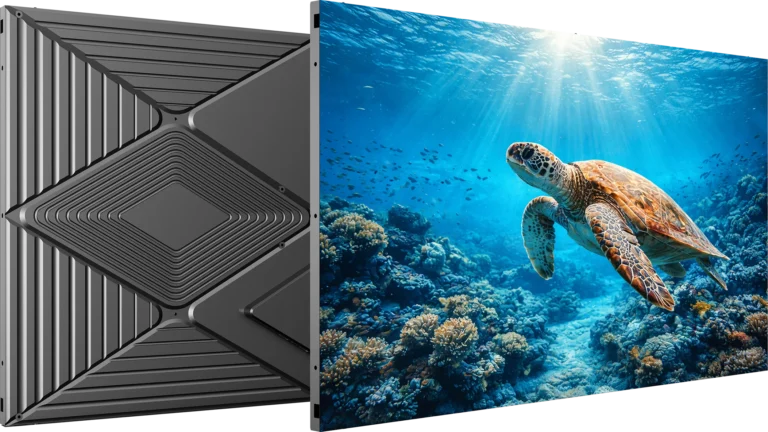
Control room video wall
A control room video wall runs day and night in front of operators seated a few metres away: it needs a fine pixel pitch, stable colour and maintenance without downtime.


Which LED walls for a control room?
Artixium designs fine-pitch LED video walls for monitoring centres, security operations and crisis rooms. Bezel-free video walls for rooms where a missed detail has consequences.
Fine-pitch LED video walls
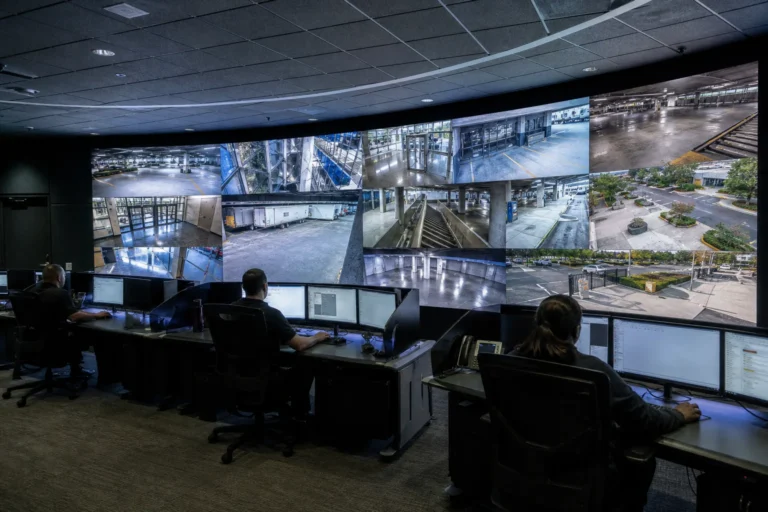
The main wall of a security or dispatch centre, watched from the consoles for a full shift.
At two to four metres, reading comfort sets the pixel pitch long before the size. A line of supervision text or a table row has to stay easy to read, in the eighth hour as in the first.
Brightness is set low for a dimly lit room, with no flicker and no colour shift between cabinets. Unlike a wall of LCD monitors, a control room video wall built with LED has no bezels between screens.
Panoramic LED walls
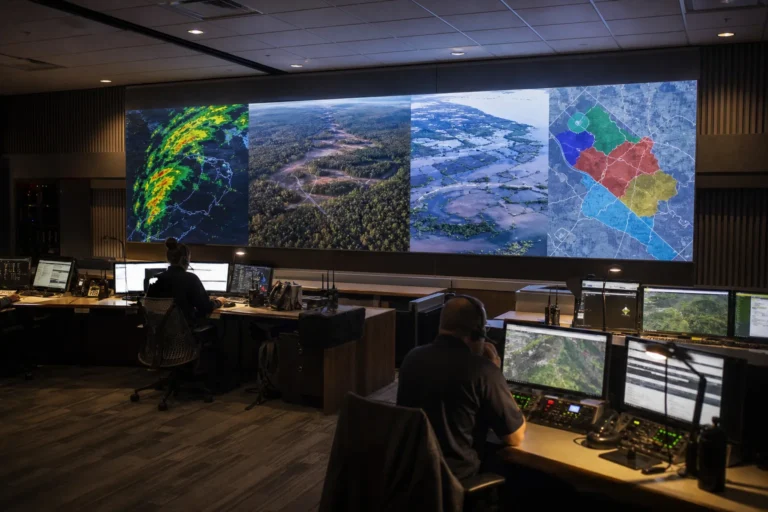
A wide, continuous surface to show many sources side by side: cameras, maps, tables.
Uniformity from edge to edge matters more than peak performance. Each cabinet is calibrated so that no area looks brighter or warmer than the next, even on a plain grey background.
The video processor lays out sources freely across the whole surface. A map can fill half the wall during an incident, then make room for a grid of camera feeds.
Crisis room LED walls
A wall that has to work on the day everything else stops.
Redundant power and processing, hot-swappable modules and maintenance that keeps the room live. If one power supply fails, the second takes over without cutting the image.
Spare modules and parts are planned from the start, so a fault is fixed on site without waiting for a delivery. A crisis room can sit unused for weeks, and the wall has to start without any adjustment on the day it is needed.
We build LED for every kind of control room
Artixium manufactures LED video walls for security operations, traffic management, emergency dispatch, utilities and airport operations: rooms that are watched continuously and cannot go dark.
Security operations
Watched for a full shift at two metres: comfort decides the specification.
Traffic control
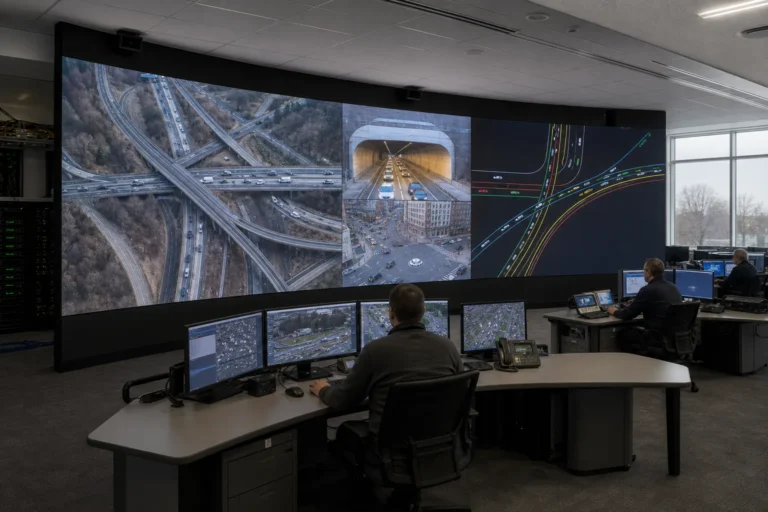
Many small sources on one wide surface. Uniformity beats peak performance.
Distance to the desks
We specify from the console distance. Operators sit two to four metres away for a full shift, and that sets the pixel pitch long before anyone discusses size.
Grid monitoring
Schematics and colour codes: geometric and colour accuracy, not motion.
Continuous operation
We engineer for continuity: redundant power and processing, hot-swappable modules, and a maintenance route that leaves the room live while work is done.
Airport operations
Live feeds and dense tables together, fed straight from operational systems.
Spares for ten years
And we plan for the decade. Spare cabinets are held from the same production batch, so a replacement in year eight still matches the wall around it.
Need advice ?
Why choose Artixium for a control room video wall?
Mission-critical LED, delivered by engineers. Artixium designs, commissions and supports video walls to the standards the room is held to.
Full-service design
We work with integrators and end users to design walls that match the workflow, the pixel density and the redundancy the room requires.
Certified commissioning
Our engineers handle calibration, commissioning and acceptance testing to your standards: every pixel signed off.
SLA-backed support
Maintenance contracts with on-site engineers and guaranteed response times, because the operation does not pause.
Future-proof upgrades
Upgrade paths for higher resolutions, HDR processing and emerging control room standards keep the investment current.
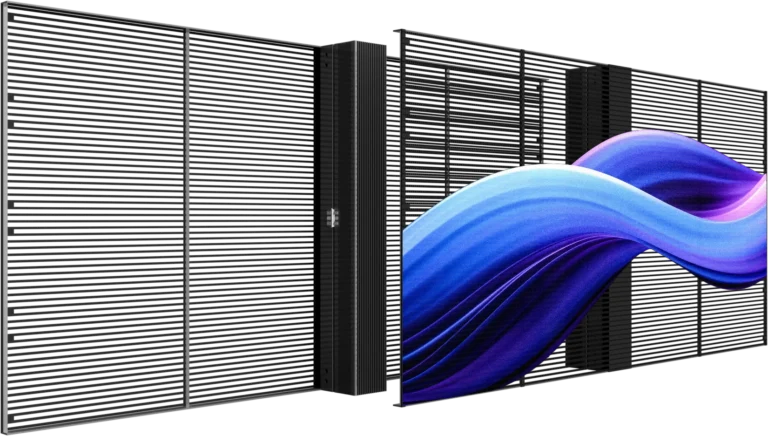
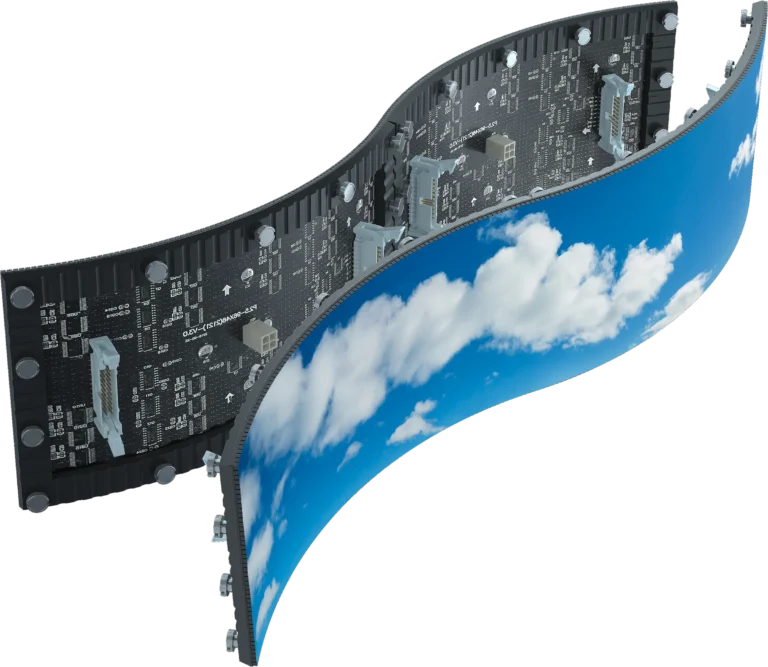
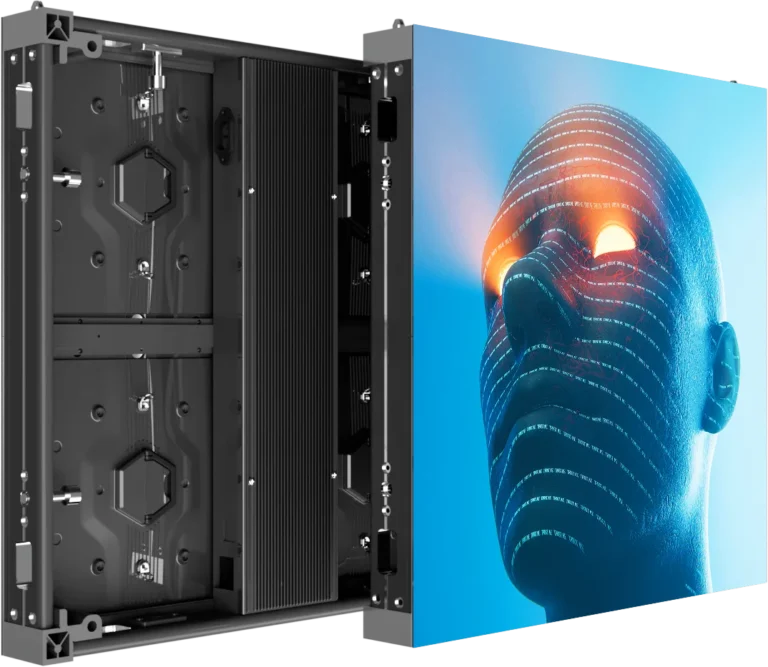
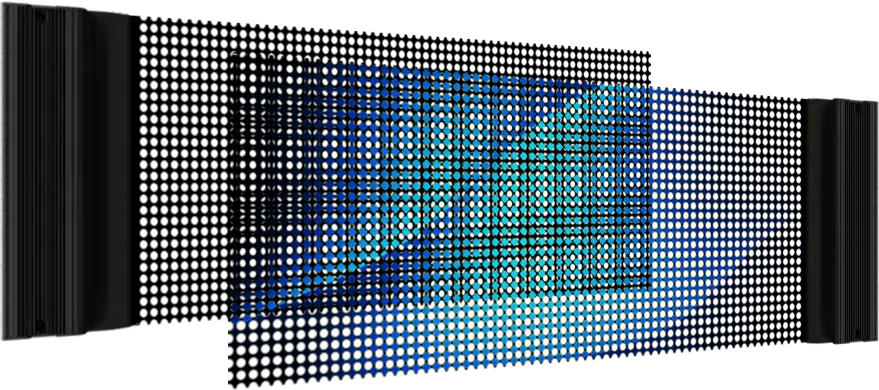
Our control room video wall products
Visit our showroom
- Plan your visit
Configure your LED screen
- Configure my screen
Tell us about your room
Console distance, source count and shift pattern. We come back with a pitch calculation before a quote.
Frequently asked questions
Why replace an LCD video wall with LED?
A wall of LCD screens has a black border between each screen, which always cuts the picture somewhere. An LED wall is one continuous surface: a map or CCTV feeds are shown without stray lines.
What pixel pitch does an operator position need?
For operators sitting two to four metres away who need to read text, the screen must be very fine, with light points about 1 mm apart. We choose the exact sharpness based on the closest seat and the size of the smallest text to read.
What happens if a module fails mid-shift?
Power and picture signals are doubled up, so the wall keeps running. And a faulty block is replaced without switching the screen off.
Does it integrate with our video wall controller?
Yes. The wall works with the main video wall control equipment (Barco, Christie, Datapath and others) and with the tools you already use.
How do you calculate the right pixel pitch?
We start from the distance between the closest operator and the wall. The closer people are, the finer the screen must be so its light points do not show. We work this out from your room plan before quoting: it is the most expensive mistake to avoid in a control room.
Can the wall run continuously for years?
Yes, that is what it is made for. What matters is how long the components last and how stable the colours stay over time. A wall used day and night at moderate brightness lasts longer than one pushed to the maximum a few hours a day.
How quickly can a failure be fixed?
Parts are reached from the front and replaced without stopping the room. We keep parts from the same production run for the whole life of the wall, so a replaced block has exactly the same colours as the others.
How does the cost compare to an LCD video wall?
LED costs more to buy but less over time: no borders, no screens to replace regularly and a lifespan measured in decades. Over the life of a control room, LED usually comes out ahead, but we run the numbers for your room.