Titanite 3 MicroLED display, Ultra HD with COB technology
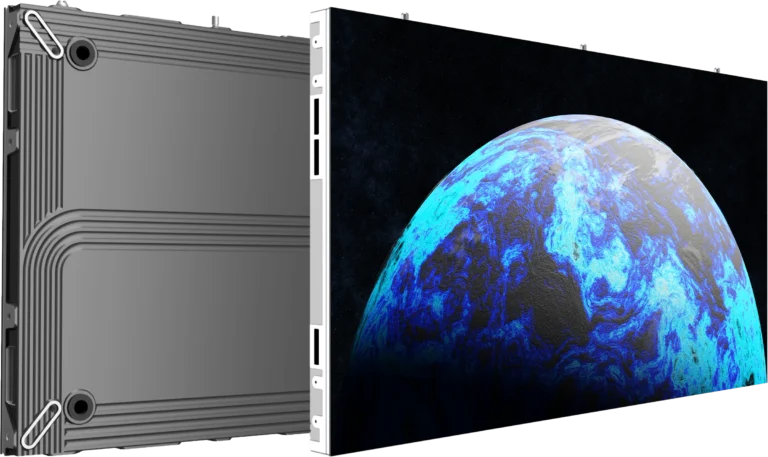
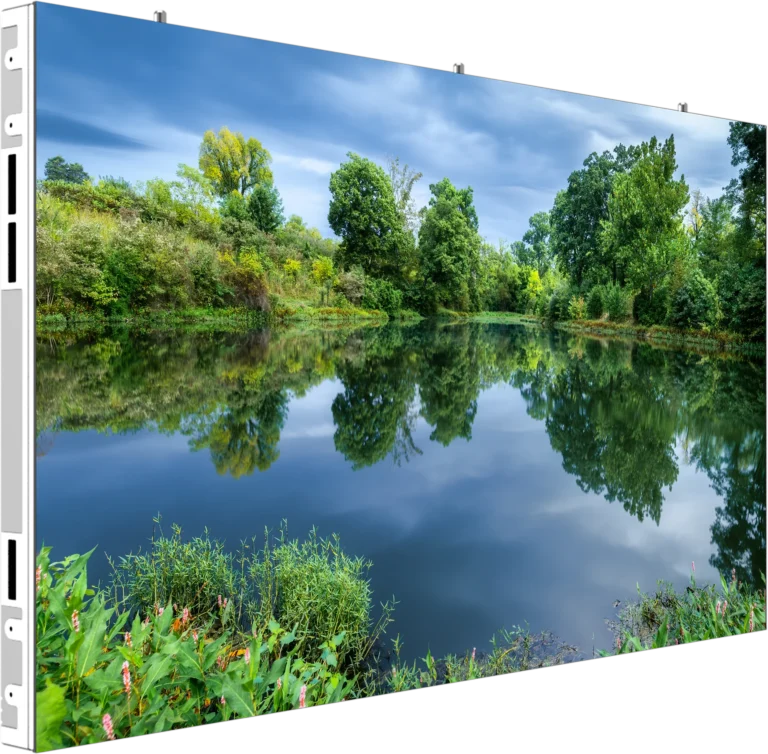
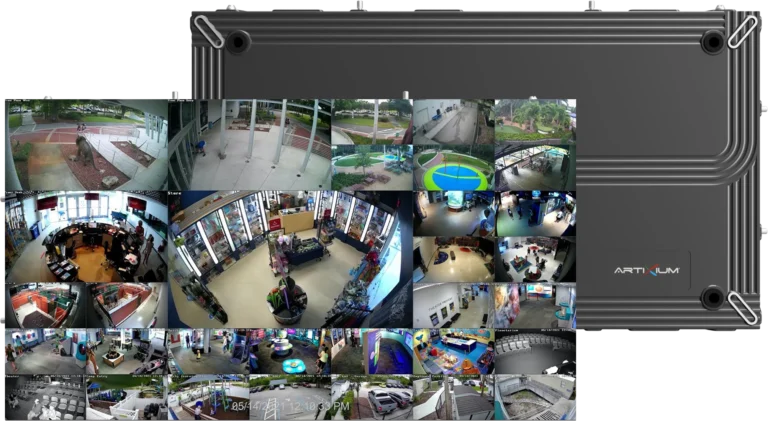
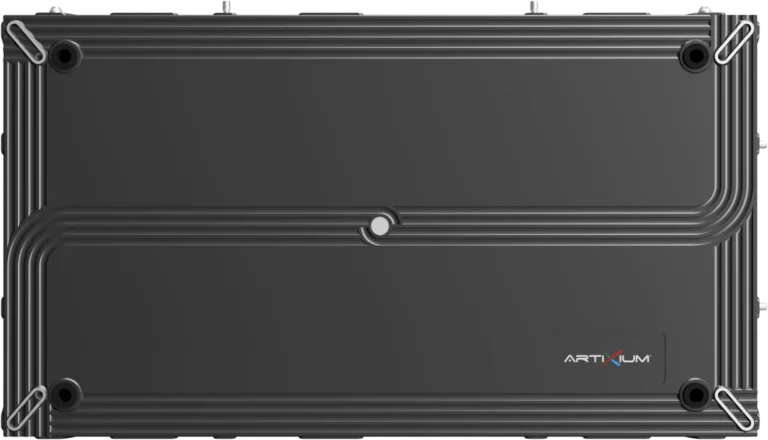
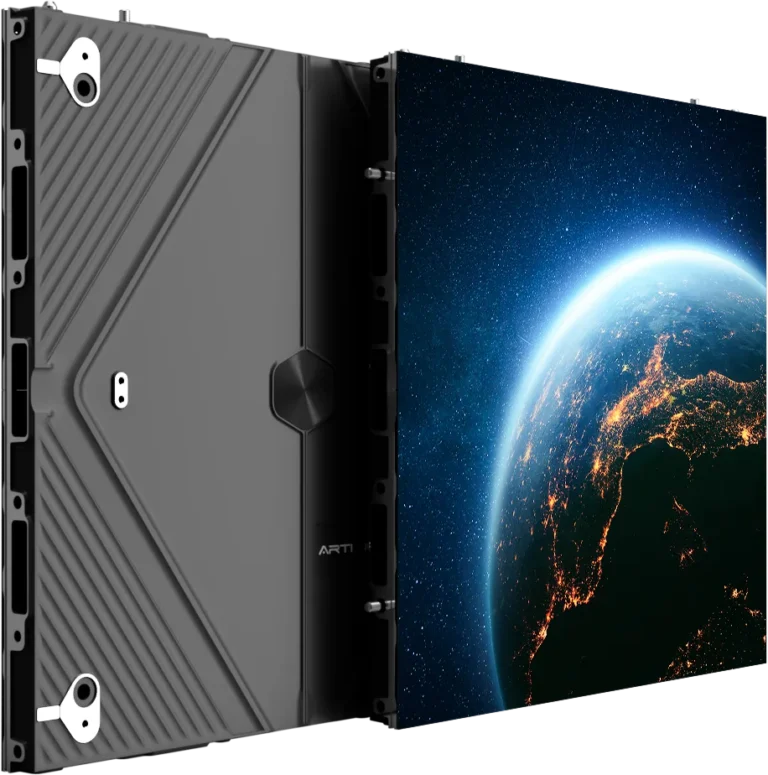
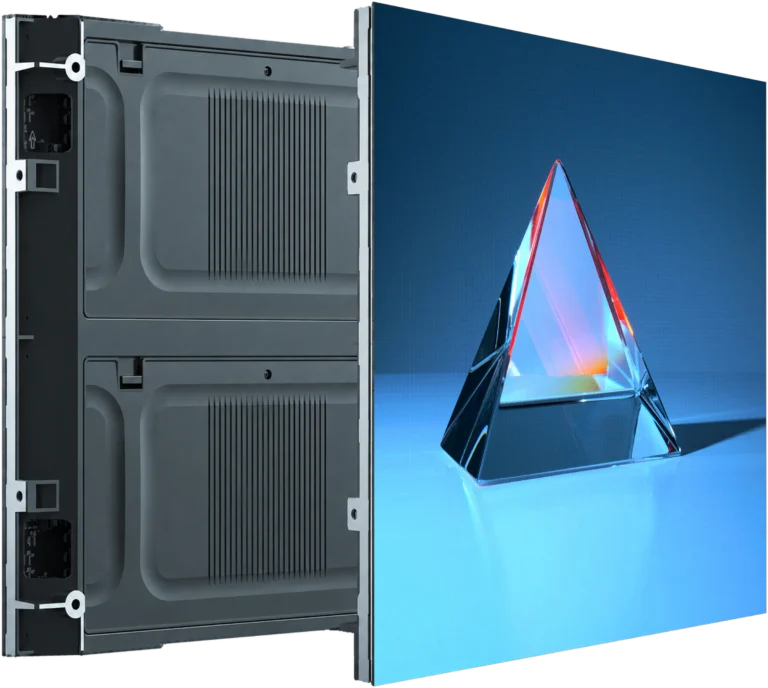
The Titanite 3 MicroLED display comes in slim, light 16:9 Ultra HD cabinets for indoor use. Pixel pitches run from P0.6 to P1.5, with COB technology and an optional MIP version, and the modules are serviced from the front. You will find it in control rooms, broadcast studios and boardrooms.
Titanite 3
Premium Wall Integration
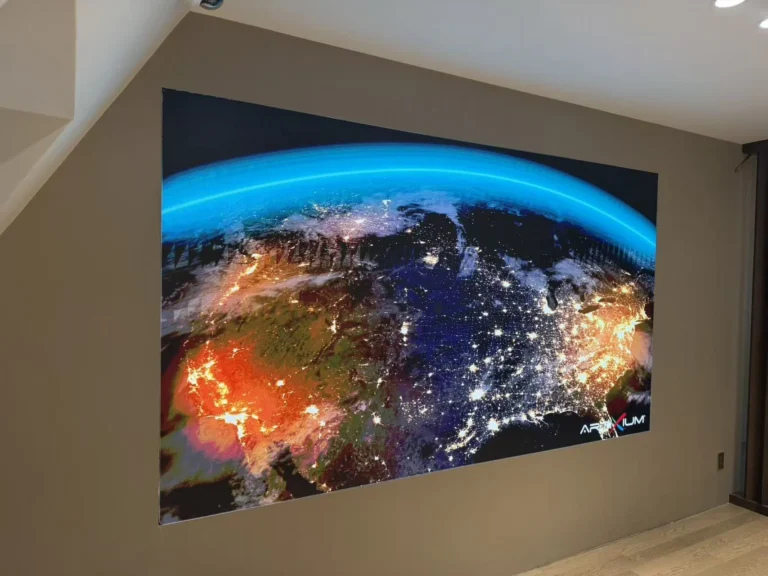
Titanite 3 MicroLED display built into a wall: a very fine picture in a discreet format.
Features
COB & MIP Technology
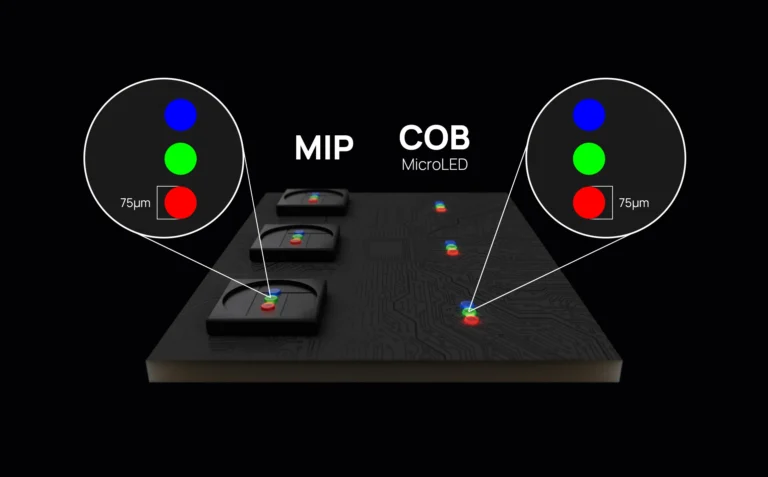
The Titanite 3 combines advanced COB and optional MIP LED technologies to deliver high pixel density, excellent image uniformity and enhanced durability for premium indoor applications. With COB, or Chip On Board technology, LED chips are mounted directly onto the printed circuit board instead of being enclosed in individual packages, significantly reducing the spacing between pixels and creating a smoother, highly detailed display surface suitable for very short viewing distances. COB technology also contributes to improved thermal dissipation, optimized energy consumption and increased durability.
For applications requiring even finer resolution, the Titanite 3 can optionally integrate MIP technology, using Micro LEDs transferred onto the PCB and individually encapsulated at RGB pixel level. This architecture supports pixel pitches below 1 mm while providing strong physical protection and allowing individual pixels to remain accessible during technical servicing. Together, these technologies enable the Titanite 3 to address demanding projects requiring ultra-fine image reproduction, close-range viewing and reliable long-term performance.

Ultra HD Resolution
The Titanite 3 MicroLED display combines an ultra-fine pixel pitch ranging from P0.6 to P1.5 with a high-density LED architecture capable of producing Full HD, 4K and 8K video walls with a controlled number of cabinets. In the finest P0.6 configuration, a Full HD display can be created with four cabinets, while 4K requires 16 cabinets and 8K requires 64.
The available pitch configurations allow the physical dimensions and pixel density of the screen to be selected according to the required resolution and viewing distance. This scalability makes the product suitable for projects requiring detailed content reproduction without unnecessarily increasing the overall display area.
Multilayer Structure
The Titanite 3 MicroLED display is built around an optimized multilayer display structure in which every layer performs a specific technical function. A high-density PCB provides electrical stability, while an insulating base film is designed to prevent brightness loss. The LED chips are then directly encapsulated using COB technology, and a protective surface film seals the complete assembly.
This layered construction supports efficient heat dissipation and increases resistance to external elements while maintaining consistent image quality. By integrating the electronic, insulating, light-emitting and protective functions into one compact structure, the cabinet provides a durable display surface adapted to demanding close-viewing applications.
Native 16:9 Format
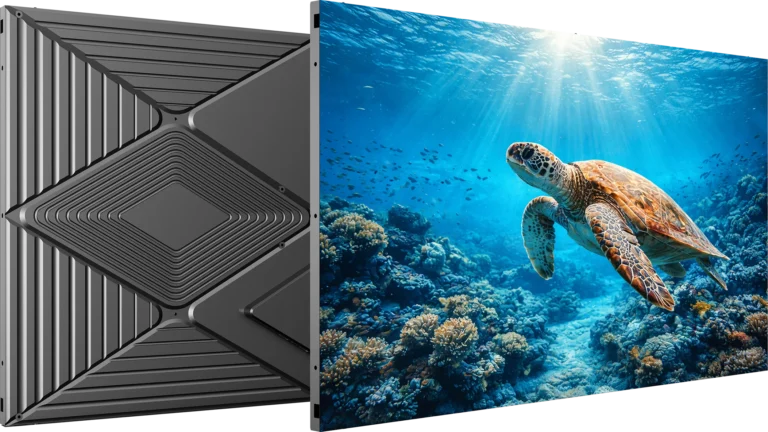
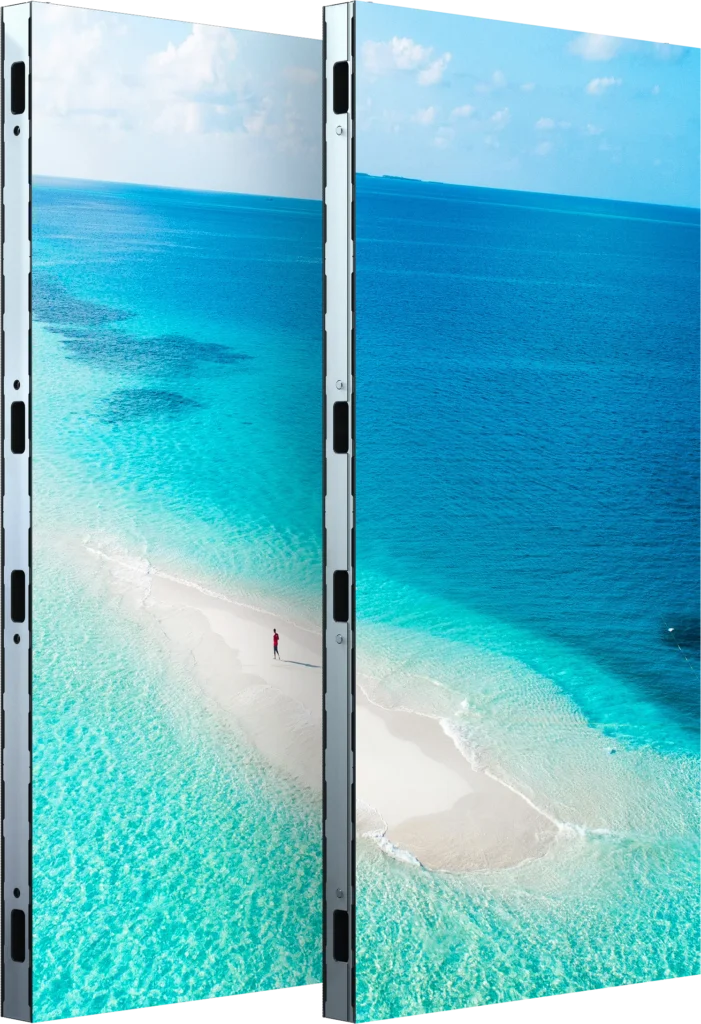
The cabinet features a native 16:9 aspect ratio aligned with widely used professional video formats. This geometry simplifies the creation of LED video walls in standard resolutions such as Full HD, 4K and 8K, allowing content to be displayed without cropping or additional software adjustments.
The cabinet format also helps maintain the original proportions of presentations, broadcast feeds and immersive visual content across the complete display surface. This native compatibility facilitates integration into corporate presentation spaces, broadcasting environments and stage applications where accurately proportioned video content must move directly from the source to the LED screen.
Front Maintenance
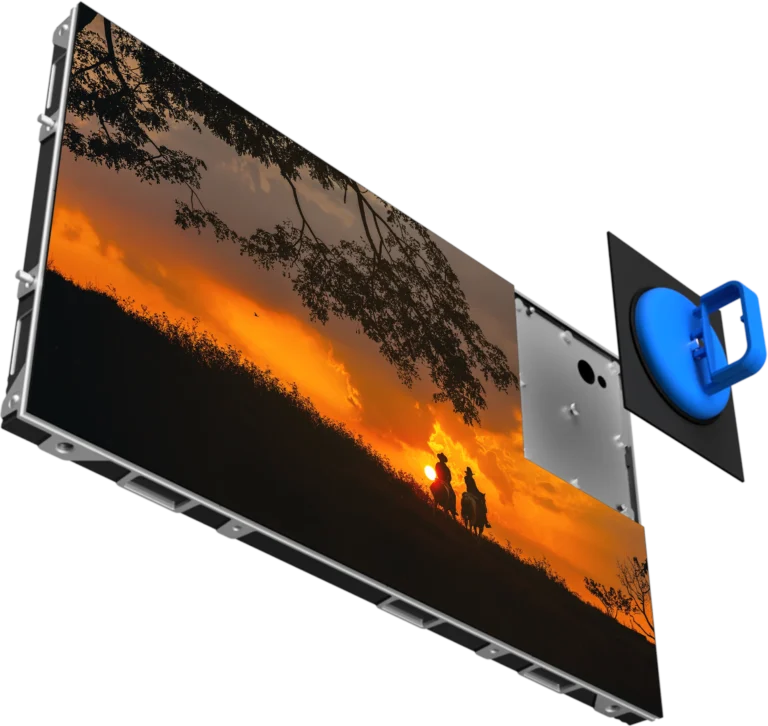
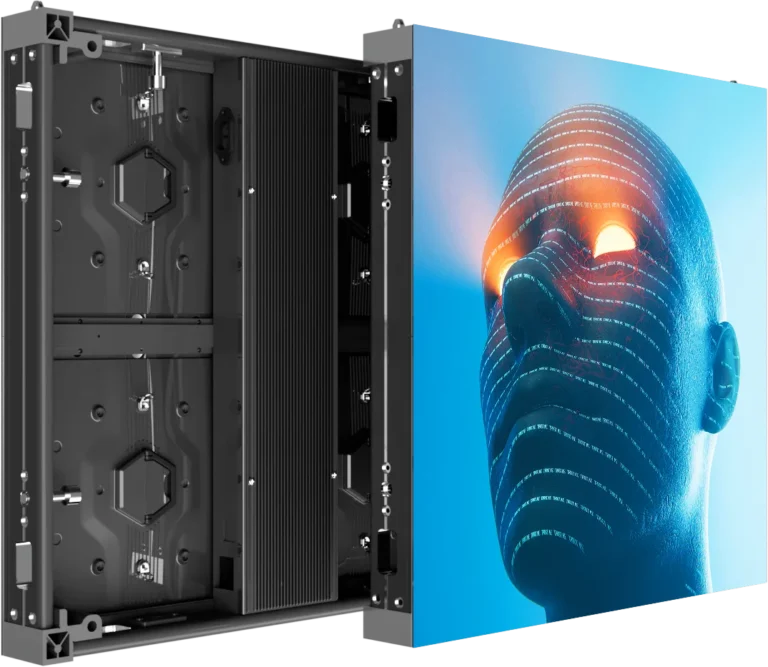
On the Titanite 3 MicroLED display, the LED modules are magnetically attached to the cabinet and can be accessed entirely from the front of the installed screen. A suction tool is applied directly to the protective surface film to remove an individual module precisely and safely. This servicing method eliminates the need to dismantle the supporting structure or provide a dedicated technical corridor behind the display.
Module replacement and routine interventions can therefore be completed discreetly from the visible side of the installation. The front-maintenance architecture is particularly relevant for wall-mounted and space-constrained projects where rear access would otherwise increase installation depth or complicate technical servicing.