Neon transparent LED display for shop windows
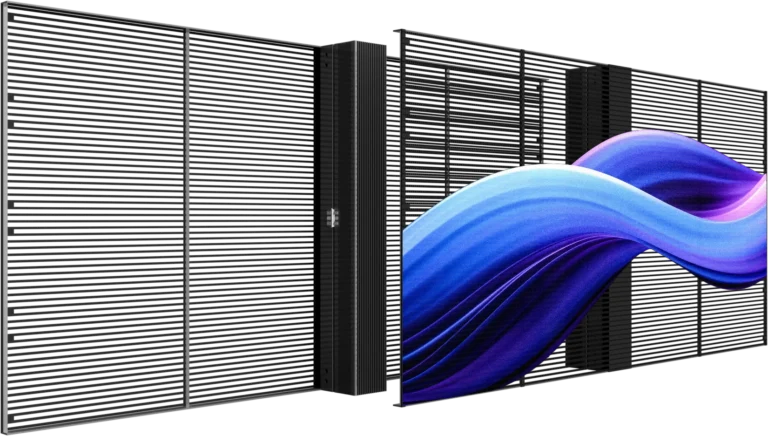
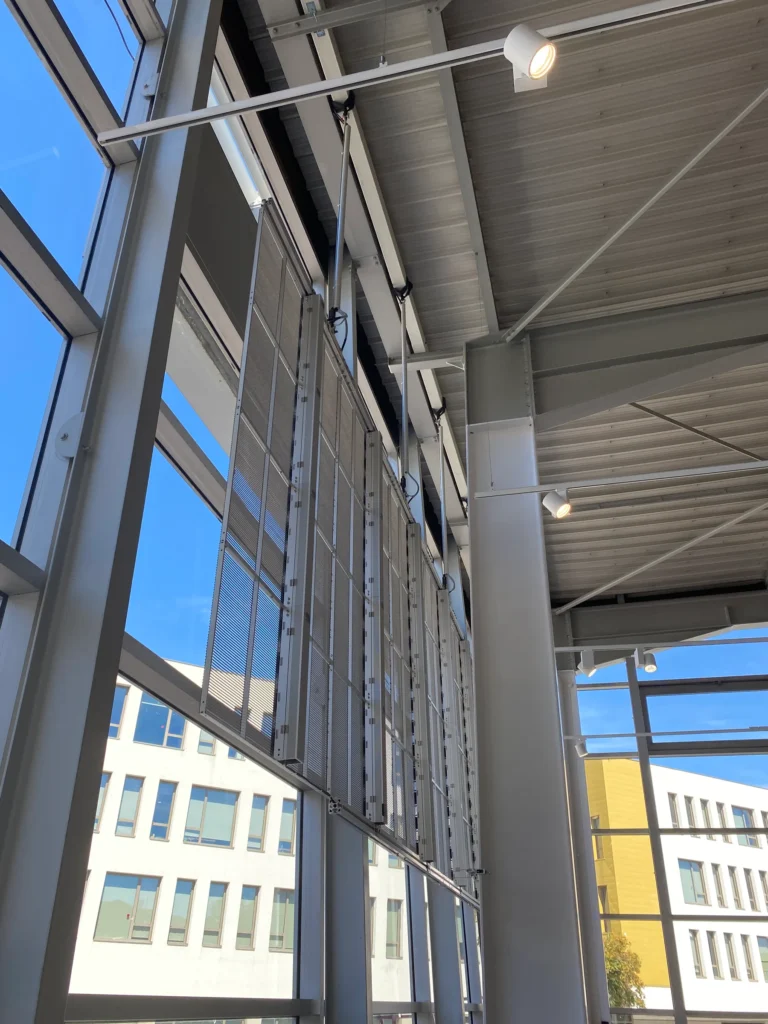
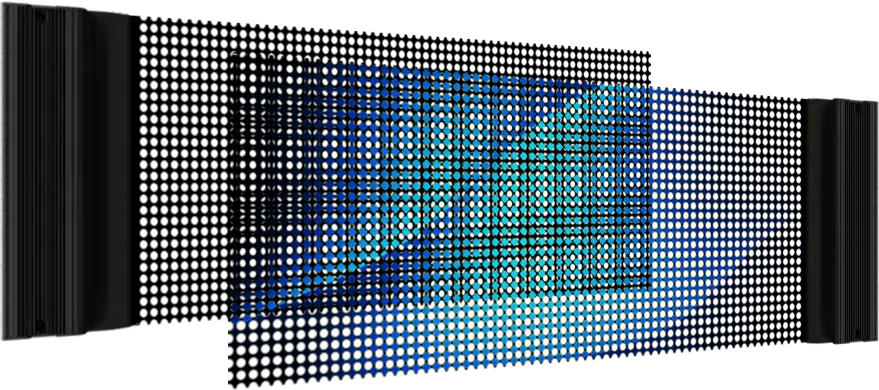
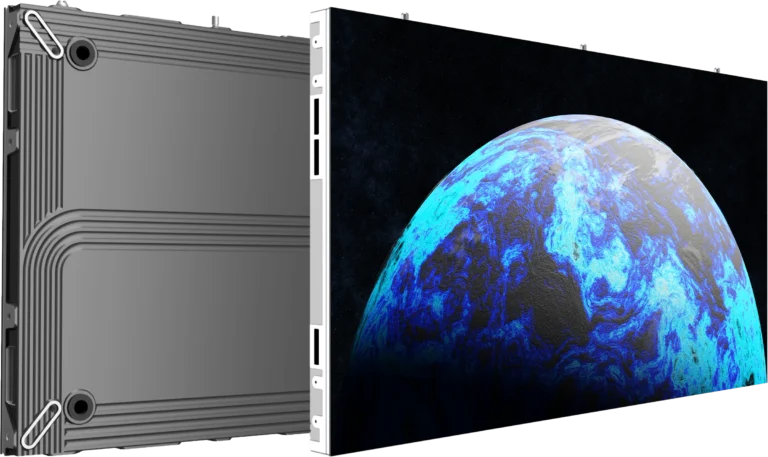
The Neon transparent LED display is a semi-indoor screen that sits behind a shop window, a window or a glass facade. Its vertical LED stripes leave up to 65% transparency, and brightness goes up to 5,500 nits so the content reads from the street. The cabinet is light and is serviced from the rear.
Neon
Transparent Visual Experience
Neon transparent LED display installed behind glass: the picture draws the eye without hiding what lies behind it.
Features
65% Transparency
The Neon transparent LED display uses vertical LED stripes to achieve 65% transparency while the display is operating. The gaps between the strips let content show while keeping a clear view through the screen into the building behind. This makes the system particularly suitable for storefronts and glazed commercial spaces, where digital advertising must coexist with the existing interior presentation. When the display is switched off, its transparent structure becomes barely noticeable, limiting its visual impact on the window and allowing the storefront to retain its original appearance.
Remote Video Upload
The Neon transparent LED display supports wireless display-data management, allowing operators to upload and update visual content remotely. This capability is especially useful for commercial displays that require frequent changes, including promotional sales campaigns and new seasonal collections. Remote content management is also handy when the transparent LED screen sits behind a window or glass surface that is hard to reach. Operators can therefore refresh the displayed communication without repeatedly reaching the cabinet, making the system more practical for storefronts with regularly changing advertising requirements.
Individual Stripe Replacement
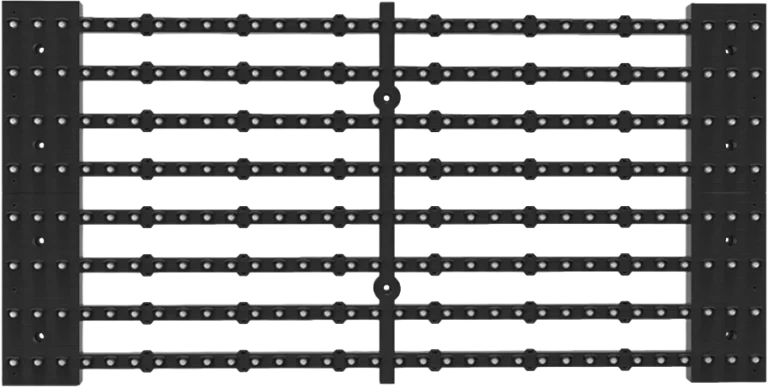
Each LED stripe can be replaced individually when technical servicing is required. With this modular maintenance, you only work on the affected element instead of replacing the whole cabinet. The stripe-based construction is particularly relevant to a transparent LED display because the individual LED lines form both the image surface and the open structure responsible for its transparency. By making each stripe independently replaceable, the Neon provides a targeted servicing method that preserves the rest of the installed cabinet during a localized technical intervention.
Rear Maintenance
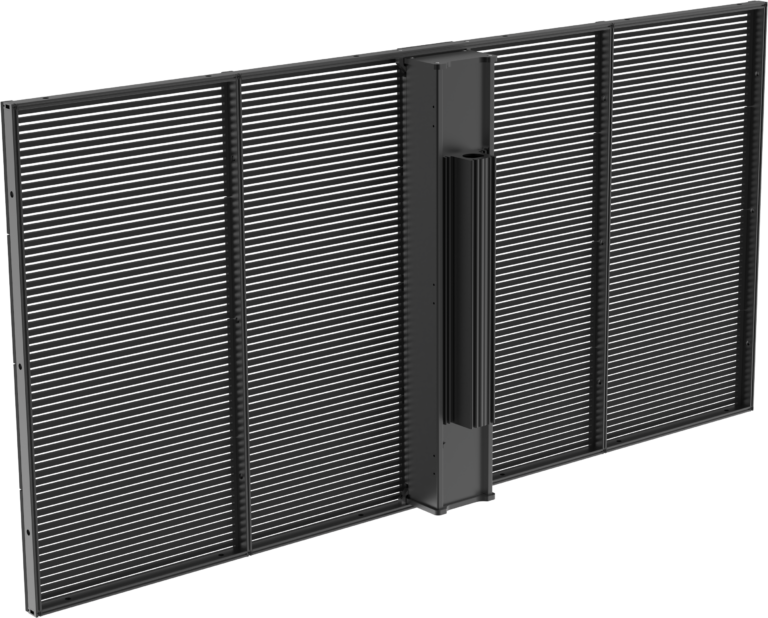
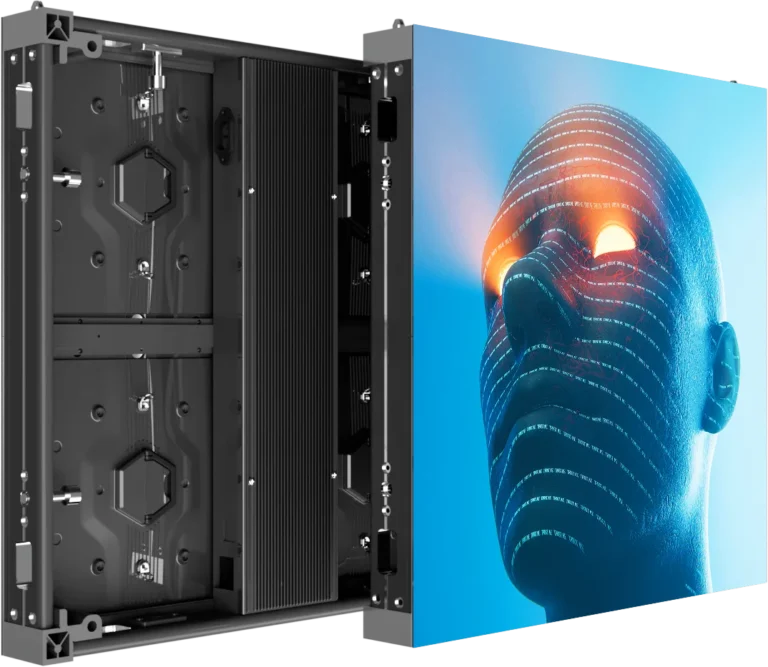
All technical maintenance is performed from the rear of the Neon cabinet. This dedicated service direction provides technicians with a consistent access point for inspecting and replacing the internal display elements. Rear maintenance also keeps technical interventions separate from the visible display face, which remains positioned toward the storefront audience. The cabinet is easy to maintain and the transparent LED face stays untouched. This servicing architecture is integrated directly into the product and applies to the individual replacement of its LED stripes.
2-in-1 Cabling
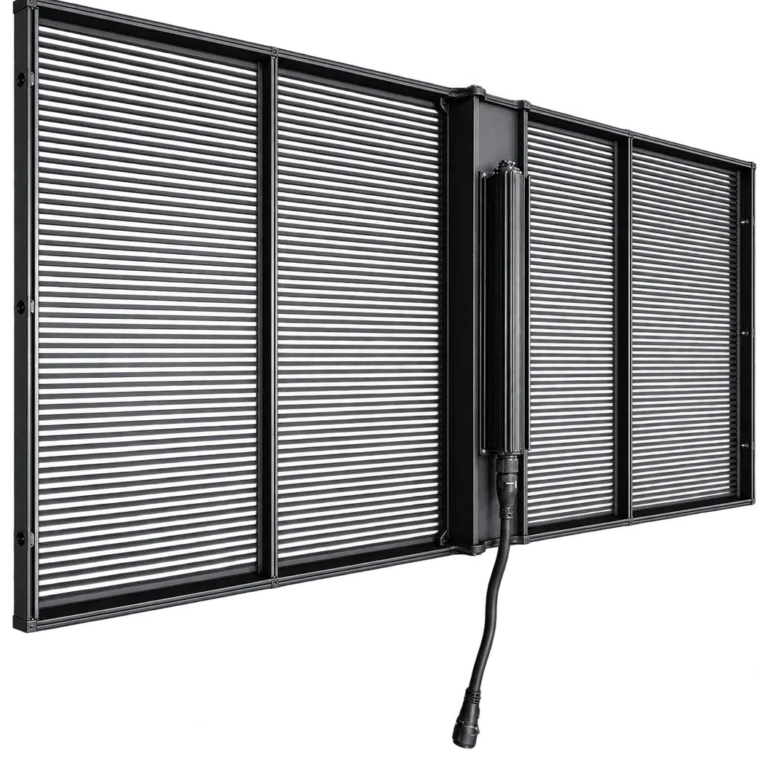
The Neon transparent LED display is supplied with 2-in-1 cables combining data and power connections. This integrated cabling format facilitates the installation of the transparent LED cabinets by bringing the two essential connection functions together within the same system. The 2-in-1 configuration supports the product’s display-data management architecture while simplifying the technical integration of the cabinets behind windows and glass surfaces. It is particularly relevant for installations where access to the screen may become more restricted after commissioning, making an organized and purpose-designed connection system important from the initial setup stage.
Cabinet Stability
The Neon cabinets are light, tough and easy to assemble. This makes the transparent LED structure easy to install, and each cabinet stays easy to handle during positioning. The cabinet construction also provides the support required for the vertical LED stripes without removing the open areas that create the transparent effect. Once installed, the same structure remains accessible for rear maintenance and individual stripe replacement, combining practical assembly with a cabinet design intended to remain straightforward to service.