
LED screen traceability
LED screen traceability: asset tracking, spare part management and technical follow-up
LED spare part management starts with identification
Artixium structures LED display records by connecting products, modules, spare parts, repairs and maintenance actions to clear technical references. From installation to after-sales support, teams can identify equipment, follow interventions and keep operational information accessible over time.
In practice this is what makes LED spare part management possible years after a project closes: knowing exactly which cabinet revision is on which wall, which module reference fits it, and what is still available. Without it, sourcing a replacement for a five-year-old screen becomes guesswork.
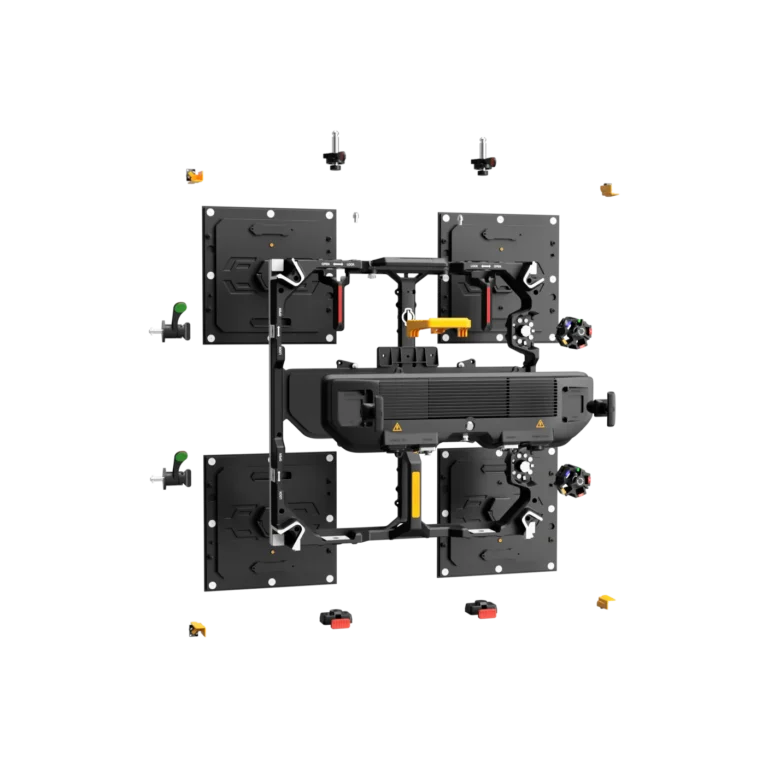
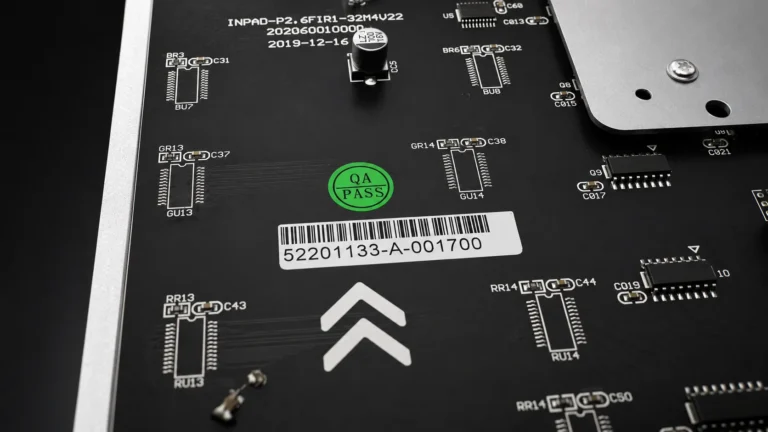
Serial number tracking across the display lifecycle
LED displays are made of many components that can move, age, be repaired or be replaced over time. Serial tracking reduces uncertainty by linking each module, cabinet or spare part to its technical history, service status and operational context. This makes maintenance, repair and logistics easier to manage.
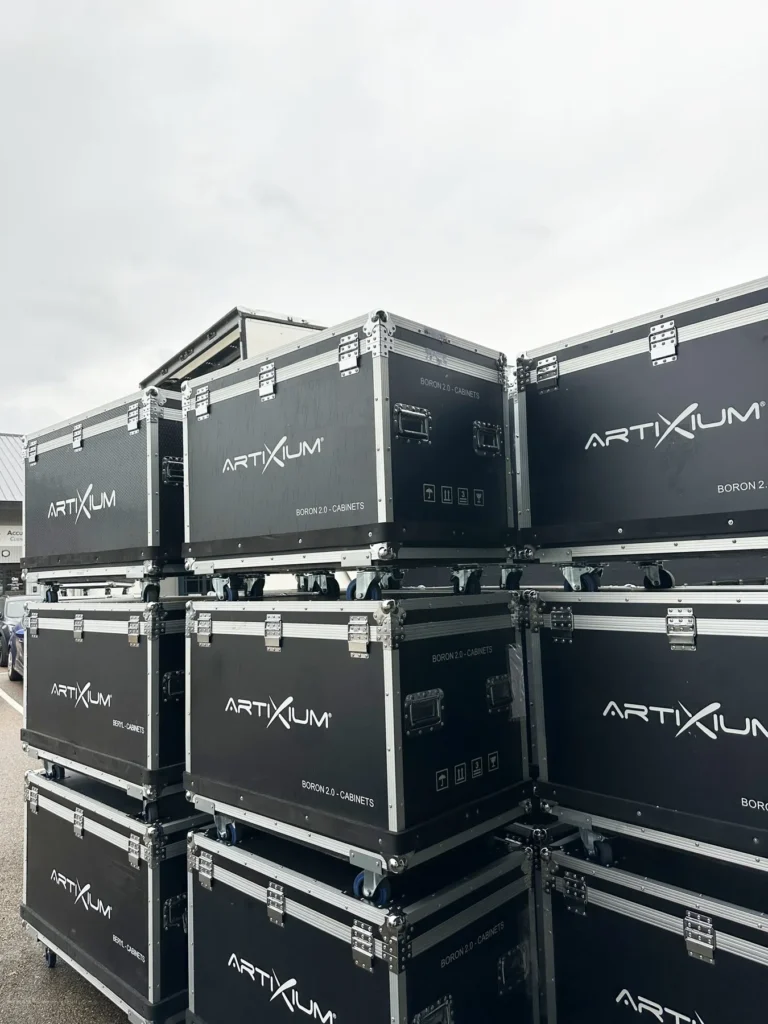
A rental fleet makes the point clearly: the same cabinets travel to a different venue every week, get recalibrated, lose a module, gain a replacement. Serial-level records are the only way to know what a given flight case actually contains when it comes back.
LED screen traceability: what is followed through the lifecycle
Physical LED assets can be connected to serial records, movement history, service status and operational documents.
Product identification
Clear references for displays, products and associated service records.
Module and cabinet tracking
Follow modules and cabinets across installation, service and replacement.
Serial number records
Structured serial references for installed equipment and spare parts.
Spare parts follow-up
Stock, compatibility and allocation information for service preparation.
Repair history
Diagnosis, actions, replacement parts and validation notes kept together.
Maintenance actions
Intervention records linked to the display, site and asset concerned.
RMA and service workflow
Reception, diagnosis, repair status and return steps made easier to follow.
Logistics and shipment status
Track movements, preparation status and return logistics for LED assets.
LED asset management after deployment
Asset records do not stop once a display is installed. Artixium can support teams with information linked to installed equipment, maintenance operations, replacement modules and technical interventions. This helps preserve continuity when different teams, sites or service providers work on the same LED system.
That continuity is what a maintenance contract runs on. A technician arriving on site knows the configuration before opening the cabinet, and the spare that is ordered is the one that fits.
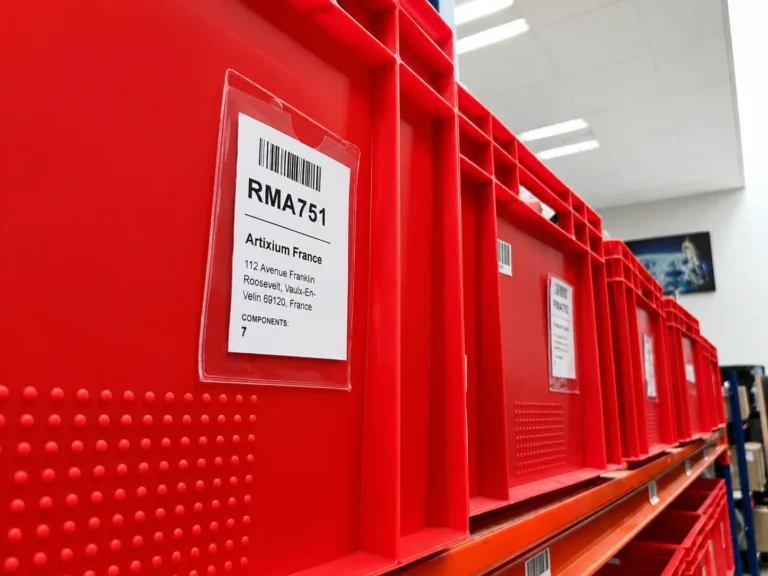
Clear follow-up for every returned product
RMA workflows are easier to manage when each returned module, cabinet or component is linked to a clear service record. Reception date, fault description, diagnosis, repair action, test validation and return logistics can be documented so clients and technical teams can follow the status of each return.
The same record follows the module back out: what was replaced, what was tested and which screen it belongs to, so return shipping lands it where it came from rather than in general stock.
Access asset records in one place
The Artixium client portal gives authorized teams a direct access point for LED display records, service follow-up and technical documentation. Clients can follow assets, repairs, RMA status and support information from the same secured environment.
What asset records make possible
Traceability is rarely the reason a screen is bought. It is the reason the screen is still serviceable five years later, and it shows up in every operation that touches the installation.
Sourcing the right spare part
Cabinet revision, module reference and batch are known, so a replacement is ordered against the screen that needs it rather than a catalogue guess.
Rental fleet management
Cabinets that travel weekly are tracked case by case, so what leaves the warehouse and what comes back are the same known units.
Multi-site rollouts
Retail and transport networks where dozens of screens share a design but not a configuration, each one identified individually.
Handover between teams
An installer, an operator and a service provider can work on the same screen years apart from the same record.
RMA and warranty claims
Reception, diagnosis, repair and return are documented against a serial number, so a claim can be substantiated rather than argued.
Recalibration after service
A serviced module is matched back to the display it came from, so the correction profile applies to the right surface.
Shipment and delivery records
Serial numbers travel with the freight documents, so what was dispatched and what arrived can be reconciled.
Custom and non-standard builds
Bespoke cabinets have no catalogue equivalent: their records are the only route back to a matching replacement.
Visit our showroom
- Plan your visit
Configure your LED screen
- Configure my screen
Frequently asked questions
How long can Artixium supply spare parts for a screen?
For as long as the references are documented and the components remain available. Serial-level records are what makes it possible to identify the exact cabinet revision and module reference years after delivery: without them, sourcing a matching part for an ageing screen is guesswork.
What exactly is tracked?
Product identification, module and cabinet references, serial numbers, spare-part allocation, repair history, maintenance actions, RMA status and shipment records: the information that a technician needs before opening a cabinet.
Does this apply to rental fleets?
Yes, and it is where it matters most. Cabinets that are transported, dismantled and reassembled every week diverge quickly; tracking them individually is the only way to know what a flight case actually contains when it comes back.
Who can see the records?
Authorised client teams, through the customer portal, alongside orders, shipments, quotes and support tickets.
Does it work on screens Artixium did not manufacture?
Records are structured around Artixium products first. Third-party equipment can be followed within a service scope when the client supplies the references, typically as part of a maintenance contract.
What happens when a module is replaced?
The replacement is linked to the screen it joins and the module it replaces, so the display record stays accurate. Where the new module differs visually from its neighbours, a calibration pass aligns it with the rest of the surface.