By the Artixium technical team · Updated 16 October 2026
Which Level Does Your Project Need?
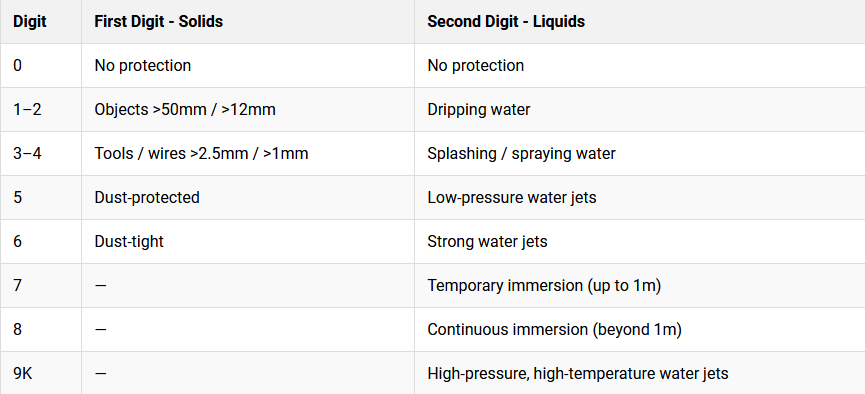
IP rating LED screen basics: this two-digit code rates how well the screen resists dust (first digit) and water (second digit). Outdoors, aim for at least IP65 on the front. Indoors, IP20 or IP30 is usually enough.
Here is how to read the code and pick the right level for your installation.
What Is an IP Rating?
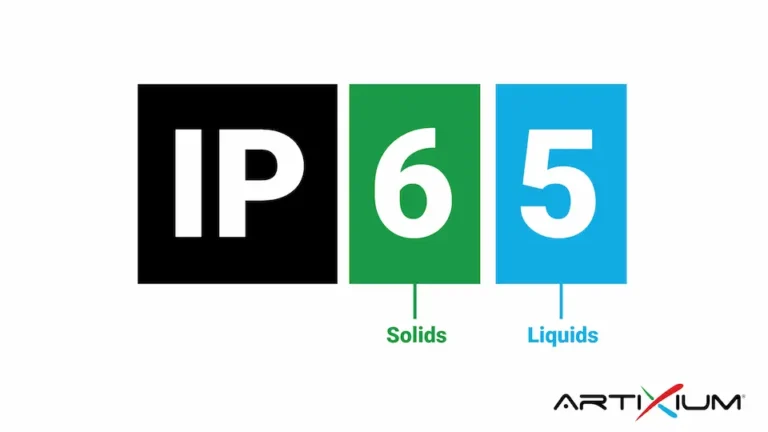
IP stands for Ingress Protection. The international standard IEC 60529 rates equipment by how well it keeps out solids, such as dust, and liquids, such as water.
The first digit, from 0 to 6, rates protection against solids.
The second, from 0 to 9, rates protection against liquids.
Example: an IP65 screen is fully dust-tight (6) and protected against water jets (5).
Which IP Rating LED Screen Level for Each Environment?
Our recommendations by location:
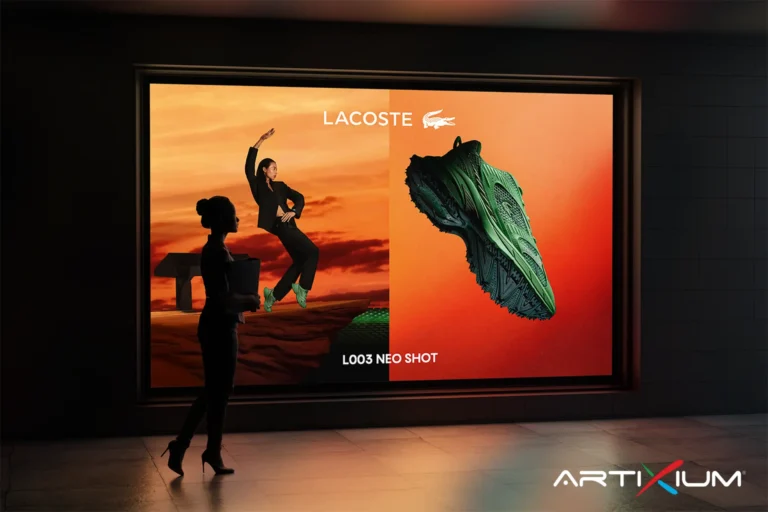
Indoor (shopping malls, halls): IP20 or IP30.
Semi-outdoor or covered: IP44 or IP54.
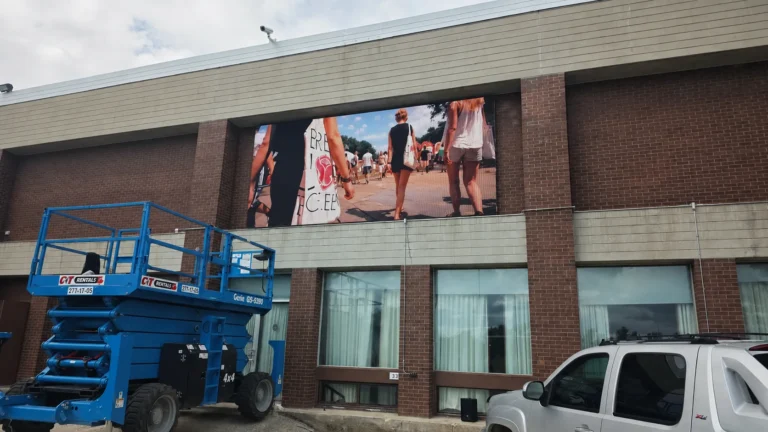
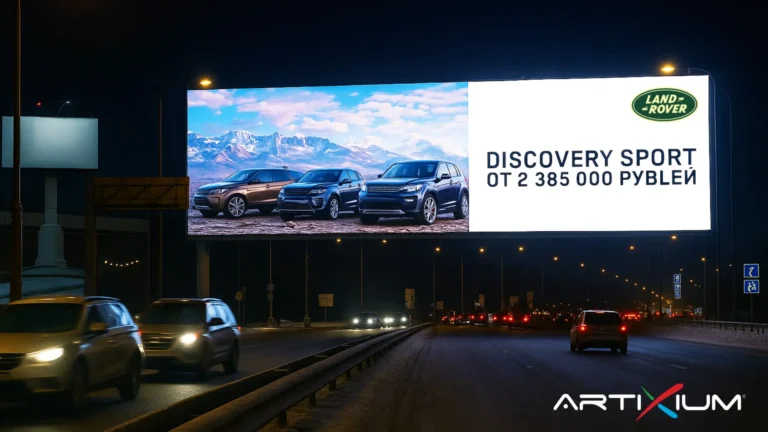
Outdoor: IP65 minimum on the front and IP54 on the rear. IP65 on both sides is better.
Extreme conditions: IP66 or IP67.
For open-air sites, see our outdoor LED displays.
Why Does the IP Rating Matter?
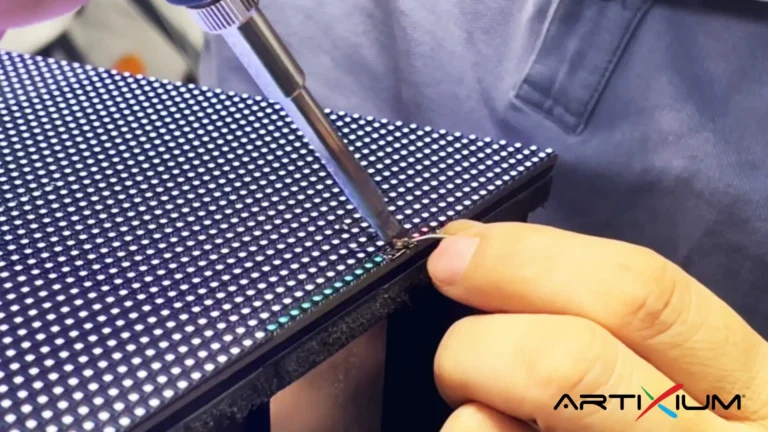
A rating that is too low lets in water or dust. Dead pixels are usually the first sign, then module failures follow. The screen ages faster and maintenance costs go up.
How are IP Ratings Tested?
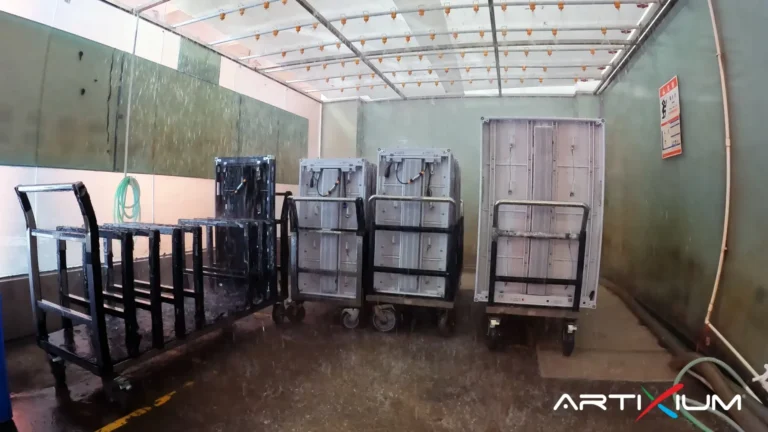
Tests follow IEC 60529. Dust is tested in a closed chamber, water with jets aimed from different angles. IP67 and IP68 require immersion, and IP69 high-pressure, high-temperature jets.
What Should You Ask Before Choosing?
Will the screen go indoors or outdoors, and will it face rain, dust or humidity? Will it stay in place, or travel from show to show like our rental LED panels? Will maintenance happen from the front or the rear? Will it be cleaned with a hose?
Your answers set the protection level you need, on the front and on the rear.
Our Advice
A shopping mall, a stadium and an open-air festival do not need the same protection. At Artixium we check the right IP rating LED screen level with you before we quote a project. Contact us to talk it through.
Frequently asked questions
Is IP68 better than IP65?
On paper, yes. But IP68 is built for long immersion, which most screens never face. Against rain and splashes, IP65 is enough.
Does an indoor screen need to be waterproof?
Not necessarily: IP20 or IP30 works in most venues. Next to a swimming pool or in a spa, go for IP54 or higher.
How does the IP rating of an LED screen affect the warranty?
Running a screen in harsher conditions than its IP rating allows can void the warranty. Check the manufacturer datasheet before any exposed installation.
What does an X in an IP rating mean?
The X stands for a digit that was not tested. IPX5, for example, means protection against water jets with no declared dust test. Wikipedia lists every level on its IP code page.
Do the front and rear of an outdoor screen have the same rating?
Not always. The front takes the rain head on, while the rear often sits sheltered inside a structure. Many outdoor screens are therefore IP65 at the front and IP54 at the rear. If the rear stays exposed, ask for IP65 on both sides.